

When to Service Your Subaru AWD System: Expert Tips
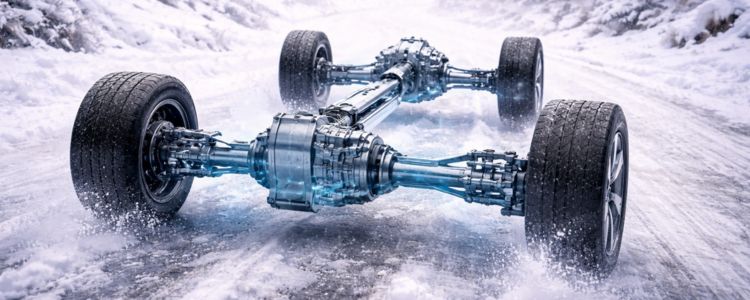
One of the biggest reasons drivers choose Subaru is confidence—especially in snow, rain, and unpredictable Midwest weather. At the heart of that confidence is Subaru Symmetrical All-Wheel Drive (AWD), a system designed to deliver constant traction and balance in all conditions.
But like any major vehicle system, AWD requires proper maintenance to perform its best over time. Knowing when to service your Subaru AWD system can help extend your vehicle’s life, protect major components, and keep you driving safely year-round.
Here’s what Subaru owners should know.
How Subaru Symmetrical AWD Works
Unlike some AWD systems that activate only when slip is detected, Subaru’s Symmetrical AWD is designed to deliver power to all four wheels continuously. This balanced system improves stability, traction, and control—especially on snow-covered or slippery roads.
Because the system is always working, routine maintenance is critical to keep everything operating smoothly.
Key Subaru AWD Components That Need Maintenance
While there’s no single “AWD service,” several components work together to make the system function properly:
- Front and rear differentials
- Transmission or CVT
- Driveshaft and axles
- Wheel bearings and suspension components
Each plays an important role in maintaining traction and balance.
When Should You Service Your Subaru AWD System?
Subaru does not require constant AWD servicing, but there are key intervals and situations when attention is important.
1. Follow Subaru’s Maintenance Schedule
Subaru recommends inspecting drivetrain components during regular maintenance visits. Differential fluid service intervals can vary depending on model, mileage, and driving conditions.
If you regularly drive in:
- Snow and ice
- Stop-and-go city traffic
- Rough or uneven roads
You may need service sooner than someone who drives mostly highway miles.
2. Replace Differential Fluids as Recommended
Differential fluid helps lubricate gears and reduce heat and friction. Over time, fluid breaks down—especially in cold climates where AWD works harder.
Signs differential fluid service may be needed include:
- Grinding or whining noises
- Vibration during turns
- Reduced traction or unusual handling
Servicing fluids on time helps prevent expensive repairs later.
3. Tire Maintenance Is AWD Maintenance
One of the most overlooked aspects of Subaru AWD care is tire health. Subaru AWD systems are sensitive to tire size differences.
Best practices include:
✔ Rotating tires regularly
✔ Replacing tires as a full set when possible
✔ Keeping tire pressure equal on all four wheels
Uneven tires can put unnecessary stress on the AWD system and lead to premature wear.
4. Pay Attention to Warning Signs
If you notice changes in how your Subaru drives, it’s best to have it inspected sooner rather than later.
Watch for:
- Dashboard warning lights
- Burning smells
- Jerking or hesitation during acceleration
- Unusual noises when turning
Early diagnosis can prevent larger issues.
Why AWD Maintenance Matters in Winter States
In places like Wisconsin, Subaru AWD works overtime during winter months. Snow-packed roads, slush, ice, and potholes increase strain on drivetrain components.
Regular inspections—especially after winter driving season—help ensure everything is still performing as designed.
Protect What Makes Subaru Special
Subaru Symmetrical AWD is one of the most reliable systems on the road—but it performs best when properly maintained. Staying on top of fluid services, tire care, and routine inspections helps preserve traction, safety, and long-term value.
If you’re unsure when your Subaru AWD system was last serviced, it’s worth having it checked. A little preventive care now can save you from costly repairs down the road. Contact our Service Department or Schedule service here online.
Connect with us


- August 2026
- July 2026
- June 2026
- May 2026
- March 2026
- February 2026
- January 2026
- December 2025
- November 2025
- August 2025
- July 2025
- June 2025
- May 2025
- April 2025
- March 2025
- January 2025
- December 2024
- October 2024
- February 2024
- October 2023
- September 2023
- August 2023
- July 2023
- June 2023
- May 2023
- March 2023
- February 2023
- January 2023
- December 2022
- November 2022
- October 2022
- September 2022
- August 2022
- July 2022
- June 2022
Archives
- Ascent
- Community Events
- Crosstrek
- Dear Subaru Campaign
- Forester
- Impreza
- local adventure
- Maintenance & Service
- Milwaukee Subaru Dealer
- Milwaukee Subaru Service
- Milwaukee Used Cars
- New Inventory
- Parts Department
- Solterra
- Subaru City of Milwaukee Service
- Subaru Outback
- Subaru Ownership
- Summer
- Tips
- Uncategorized
- Used Inventory
- Winter Driving
- WRX
Categories