

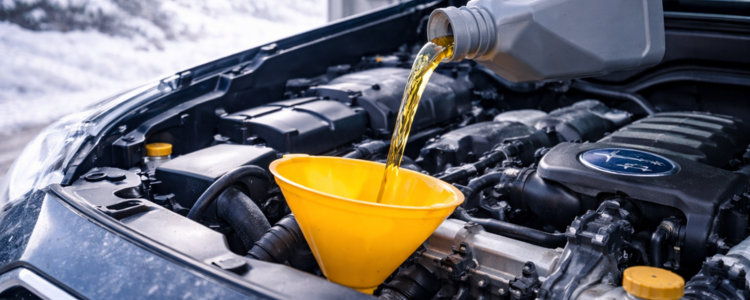
Regular maintenance is one of the biggest reasons Subaru vehicles are known for long-term reliability. Whether you drive an Outback, Forester, Crosstrek, or Ascent, staying on top of oil changes and scheduled service helps protect your engine, maintain performance, and extend the life of your vehicle.
If you’re wondering how often your Subaru needs an oil change — or what else should be checked throughout the year — here’s what you should know.
How Often Should You Change the Oil in a Subaru?
For most newer Subaru models using synthetic oil, the general recommendation is:
Every 6,000 miles or 6 months — whichever comes first.
However, your driving habits matter. If you frequently drive in:
- Cold winter conditions
- Stop-and-go city traffic
- Short daily trips
- Heavy snow or extreme temperatures
You may benefit from more frequent inspections.
Wisconsin drivers, especially during winter months, often put extra strain on engines due to cold starts and icy road conditions. Regular oil changes help protect internal components from wear.
Why Oil Changes Matter for Subaru’s BOXER® Engine
Subaru’s BOXER® engine design provides a lower center of gravity for improved balance and handling. Because the engine is designed differently than many traditional engines, maintaining proper lubrication is essential for long-term performance.
Fresh oil helps:
- Reduce engine friction
- Prevent overheating
- Protect against internal wear
- Maintain fuel efficiency
Skipping oil changes can lead to buildup, reduced efficiency, and potentially costly repairs over time.
Beyond Oil: What’s Included in a Subaru Maintenance Schedule?
Subaru maintenance isn’t just about oil. Following the recommended service schedule keeps every major system performing properly.
Every 6,000 Miles
- Oil and filter replacement
- Tire rotation
- Brake inspection
- Fluid level checks
Every 12,000–30,000 Miles
- Cabin air filter replacement
- Engine air filter replacement
- Brake system inspection
- Battery check
Around 30,000–60,000 Miles
- Differential fluid inspection (important for AWD models)
- Transmission fluid inspection
- Cooling system inspection
Subaru’s Symmetrical All-Wheel Drive system depends on properly maintained fluids and balanced tires, so routine inspections are critical.
Winter Driving & Maintenance: Why It Matters More in the Midwest
Cold temperatures, road salt, and snow can accelerate wear on:
- Batteries
- Brakes
- Suspension components
- Underbody components
After winter, it’s especially important to check:
- Tire condition and pressure
- Brake performance
- Undercarriage for salt buildup
Regular washes and seasonal inspections can help prevent corrosion and long-term damage.
How to Tell If Your Subaru Needs Service
Even between scheduled visits, watch for warning signs:
- Dashboard warning lights
- Unusual engine noises
- Reduced fuel efficiency
- Vibrations or rough idle
If anything feels different, it’s worth having your Subaru inspected.
Protecting Your Subaru for the Long Term
Subaru vehicles are engineered for durability — but routine maintenance is what keeps them running strong year after year. Staying consistent with oil changes and service intervals helps protect your investment and ensures your AWD system, engine, and safety features continue performing as designed.
If you’re unsure when your last oil change was completed, contact us (414)281-9100 — our team is happy to help you check your service history and keep your Subaru running strong.
Connect with us


- August 2026
- July 2026
- June 2026
- May 2026
- March 2026
- February 2026
- January 2026
- December 2025
- November 2025
- August 2025
- July 2025
- June 2025
- May 2025
- April 2025
- March 2025
- January 2025
- December 2024
- October 2024
- February 2024
- October 2023
- September 2023
- August 2023
- July 2023
- June 2023
- May 2023
- March 2023
- February 2023
- January 2023
- December 2022
- November 2022
- October 2022
- September 2022
- August 2022
- July 2022
- June 2022
Archives
- Ascent
- Community Events
- Crosstrek
- Dear Subaru Campaign
- Forester
- Impreza
- local adventure
- Maintenance & Service
- Milwaukee Subaru Dealer
- Milwaukee Subaru Service
- Milwaukee Used Cars
- New Inventory
- Parts Department
- Solterra
- Subaru City of Milwaukee Service
- Subaru Outback
- Subaru Ownership
- Summer
- Tips
- Uncategorized
- Used Inventory
- Winter Driving
- WRX
Categories