
MADACC Pet Adoption at Subaru City

Oct. 22nd 11am-1pm

Blog

Best Spring Road Trips Near Milwaukee, Wisconsin

spring break blog banner (1)

As winter fades away and the weather warms up, spring is the perfect time to hit the road and explore the scenic beauty of the Midwest. Whether you’re looking for a quick weekend getaway or a longer adventure, there are plenty of incredible destinations just a drive away from Milwaukee. Here are some of the best spring road trips from Milwaukee to help you make the most of the season!


1. Door County, WI

Distance: ~2.5 hours | Best For: Scenic drives, charming small towns, outdoor activities

A trip to Door County in the spring means fewer crowds, blooming cherry blossoms, and peaceful waterfront views. Stop in Sturgeon Bay for a stroll along the historic downtown, explore the scenic Peninsula State Park, and enjoy the local wineries and breweries. Don't forget to grab a famous cherry pie from one of the roadside bakeries!

Must-See Stops:
✔ Peninsula State Park – Hiking, biking, and breathtaking views of Green Bay
✔ Cave Point County Park – Stunning limestone cliffs along Lake Michigan
✔ Fish Creek & Ephraim – Quaint villages with shopping, dining, and waterfront views


2. Wisconsin Dells, WI

Distance: ~2 hours | Best For: Family-friendly fun, outdoor adventures

Spring is a great time to visit Wisconsin Dells before the summer crowds take over. Enjoy outdoor adventures like hiking at Devil’s Lake State Park, exploring the famous sandstone Dells rock formations, or taking a scenic boat tour on the Wisconsin River.

Must-See Stops:
✔ Devil’s Lake State Park – One of Wisconsin’s most beautiful hiking spots
✔ Wisconsin Dells Scenic River Walk – A great way to see the unique rock formations
✔ Noah’s Ark Waterpark & Mt. Olympus Theme Park – If you’re visiting later in spring


3. Lake Geneva, WI

Distance: ~1 hour | Best For: Relaxing lakeside getaway, boutique shopping

Lake Geneva is a fantastic spring road trip from Milwaukee, offering a mix of outdoor fun and relaxation. The Shore Path provides a scenic walk along the lake, with views of historic mansions and blooming gardens. Enjoy a boat tour, visit a local winery, or explore downtown’s charming shops and cafes.

Must-See Stops:
✔ Lake Geneva Shore Path – A beautiful 26-mile trail along the water
✔ Downtown Lake Geneva – Boutique shopping and great local restaurants
✔ Riviera Beach & Boat Tours – Take in the lake views from the water


4. Galena, IL

Distance: ~2.5 hours | Best For: Historic charm, wineries, rolling countryside

This picturesque town in northwestern Illinois is a hidden gem, offering 19th-century architecture, scenic views, and plenty of outdoor activities. Spring is a great time to visit with blooming flowers and ideal weather for strolling down Main Street. Visit Grant’s Home, take a wine-tasting tour, or explore the rolling hills of the Driftless Region.

Must-See Stops:
✔ Downtown Galena – Cobblestone streets, unique shops, and historic buildings
✔ Blaum Bros. Distilling Co. – A must-visit for whiskey lovers
✔ Horseshoe Mound Preserve – Incredible panoramic views of the Mississippi River Valley


5. Starved Rock State Park, IL

Distance: ~3 hours | Best For: Hiking, waterfalls, nature lovers

Located along the Illinois River, Starved Rock State Park is one of the most beautiful places in the Midwest, especially in spring when the waterfalls are flowing. Hike the canyon trails, enjoy a scenic river cruise, or have a picnic surrounded by nature.

Must-See Stops:
✔ French Canyon & Wildcat Canyon – The best waterfalls in the park
✔ Starved Rock Lodge – Perfect for a cozy meal or overnight stay
✔ Illinois River Cruise – See the park from a different perspective


6. Madison, WI

Distance: ~1.5 hours | Best For: Foodies, culture, and outdoor activities

Spring is a great time to visit Madison, as the city comes to life with farmers' markets, lake activities, and outdoor dining. Walk along the beautiful Capitol Square, rent a bike and explore the University of Wisconsin Arboretum, or visit one of the many breweries.

Must-See Stops:
✔ Dane County Farmers’ Market – The largest producers-only market in the U.S. (opens in April)
✔ Olbrich Botanical Gardens – A peaceful oasis with spring blooms
✔ Memorial Union Terrace – Enjoy a drink by Lake Mendota


7. Holland, MI – Tulip Time Festival

Distance: ~3.5 hours | Best For: Spring flowers, Dutch heritage, unique festivals

If you love spring flowers, a road trip to Holland, Michigan, during Tulip Time Festival (early May) is a must. The city bursts with millions of colorful tulips, and visitors can enjoy parades, Dutch dancing, and wooden shoe carving demonstrations.

Must-See Stops:
✔ Windmill Island Gardens – See an authentic Dutch windmill and beautiful tulips
✔ Holland State Park – Enjoy the beach and views of the Big Red Lighthouse
✔ Downtown Holland – Boutique shops, Dutch bakeries, and cafes


8. Apostle Islands, WI

Distance: ~6 hours | Best For: Adventure seekers, kayaking, nature lovers

A bit of a longer drive, but Apostle Islands National Lakeshore is one of the most stunning places in the Midwest. Spring offers fewer crowds and the chance to explore sea caves by kayak, take a ferry to Madeline Island, or hike along the scenic coastline of Lake Superior.

Must-See Stops:
✔ Bayfield, WI – A charming gateway town to the islands
✔ Madeline Island Ferry – Take a boat ride to a peaceful island retreat
✔ Sea Cave Kayaking – Explore the beautiful caves (weather permitting)


Final Thoughts

Spring is the perfect time for a road trip from Milwaukee, whether you’re looking for nature, adventure, or relaxation. No matter which direction you head, the Midwest is full of hidden gems and breathtaking destinations.

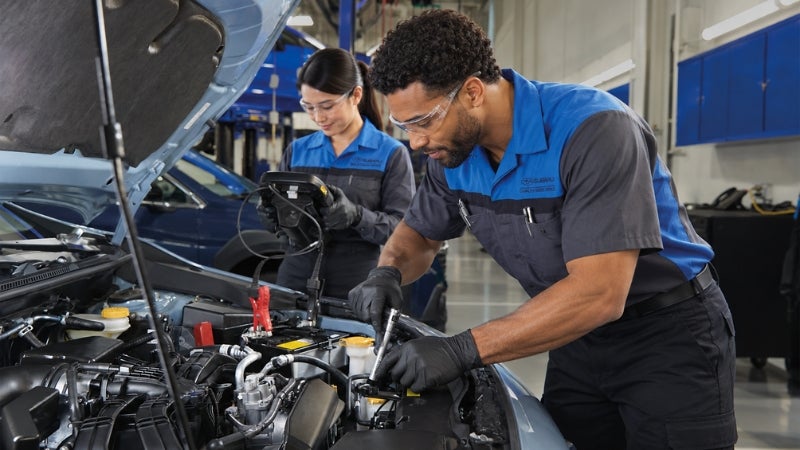
Need a car check before your road trip? Visit Schlossmann Subaru City of Milwaukee for a spring maintenance check, including tire inspections, oil changes, and battery tests to ensure a smooth and safe journey!
Recommended Posts

Subaru Crosstrek vs Forester

Subaru Crosstrek vs Forester: Your Complete 2026 Comparison Guide

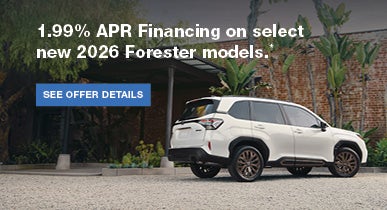
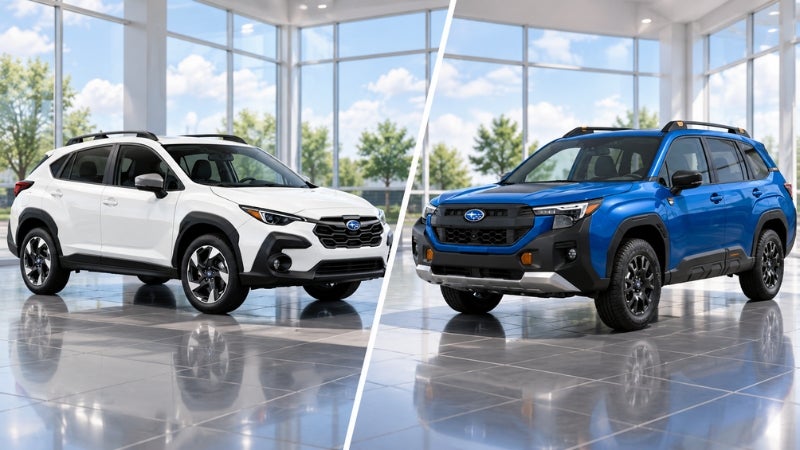
The 2026 Subaru Crosstrek and Forester give Milwaukee drivers two different ways to experience a compact Subaru SUV's capability. Both come standard with Subaru Symmetrical All-Wheel Drive, offer gas and hybrid options, and provide the ground clearance needed to handle changing Wisconsin road conditions. The Crosstrek packages its capability into a right-sized design and comes standard with a 180-horsepower engine. The Forester has a more upright profile and offers up to 74.4 cubic feet of cargo volume on the Base model. Both are available in Wilderness configurations for drivers who want additional capability. When comparing the Subaru Crosstrek vs. Forester, consider what you need from your SUV each day. The Crosstrek is smaller and easier to maneuver while still offering useful towing capability. The Forester gives you more room for passengers, cargo, and everything that comes with a busy family schedule. Quick Answer: What’s the Difference Between the Subaru Crosstrek vs Forester? The 2026 Subaru Crosstrek is a right-sized compact SUV with a standard 180-horsepower 2.5-liter SUBARU BOXER engine, up to 33 MPG highway, available hybrid models, and a Crosstrek Wilderness that can tow up to 3,500 pounds. The 2026 Subaru Forester uses a more upright compact-SUV design and offers up to 74.4 cubic feet of cargo volume on the Base model. Its lineup also includes gas, hybrid, and Wilderness configurations. The Crosstrek may be a better fit if you want something smaller and easier to maneuver without sacrificing useful towing capability. If you need more room for passengers and cargo, plus extra comfort and technology options, the Forester may make more sense. Subaru Crosstrek vs Forester: Two Different Compact SUV Designs The Crosstrek and Forester belong to the same general SUV class, but their designs suit different types of drivers. Schlossmann Subaru City of Milwaukee describes the Crosstrek as a right-sized compact SUV with versatile interior space. Its manageable size works well for commuting, navigating city streets, and taking weekend trips without moving into a larger vehicle. The Forester has a taller, more traditional SUV shape. Its Base model provides up to 74.4 cubic feet of cargo volume, making it a practical option for drivers who regularly carry passengers, groceries, outdoor equipment, or other larger items. When comparing the Subaru Crosstrek vs. Forester, consider whether smaller exterior dimensions or greater cargo capacity would make the bigger difference in your daily routine. How Do the Crosstrek and Forester Compare for Wisconsin Driving The Crosstrek and Forester are equipped to help drivers manage snow, rain, uneven roads, and Wisconsin’s changing seasons. Four areas stand out when comparing their capability: All-Wheel Drive Comes Standard: Subaru Symmetrical All-Wheel Drive is included on both models, so drivers don't need to move to a higher trim to get all-wheel-drive capability. Base Models Have Equal Ground Clearance: The Crosstrek Base and Forester Base each provide 8.7 inches of ground clearance. The Crosstrek Wilderness Adds Trail-Focused Equipment: This model provides 9.3 inches of ground clearance, Yokohama GEOLANDAR all-terrain tires, extended lower cladding, integrated tow points, and a 3,500-pound towing capacity. The Forester Wilderness Expands Off-Road Capability: Its equipment includes a raised suspension, Yokohama GEOLANDAR all-terrain tires, Dual-function X-MODE with Hill Descent Control, front underbody protection, and a 180-Degree Front-View Monitor. Both SUVs are prepared for year-round use in the Milwaukee area. Their Wilderness models add specialized hardware for drivers whose plans extend beyond everyday paved roads. Subaru Crosstrek vs Forester Gas Mileage The gas-powered Crosstrek and Forester share the same maximum fuel-economy figures listed by Schlossmann Subaru City of Milwaukee. The biggest efficiency differences appear when their hybrid models are included. 2026 Subaru Crosstrek Up to 33 MPG highway / 26 MPG city Standard Symmetrical All-Wheel Drive 2026 Subaru Forester Up to 33 MPG highway / 26 MPG city Standard Symmetrical All-Wheel Drive 2026 Subaru Crosstrek Hybrid Up to 36 MPG highway / 36 MPG city Up to 597 miles per tank 2026 Subaru Forester Hybrid 35 MPG city Up to 581 miles of driving range Drivers comparing the standard gas models will find matching maximum city and highway ratings. The Crosstrek Hybrid and Forester Hybrid provide additional choices for shoppers who want greater efficiency without giving up Subaru Symmetrical All-Wheel Drive. Subaru Crosstrek vs Forester Performance The Crosstrek lineup provides several clearly defined performance choices. Its gas model uses a 180-horsepower engine, the hybrid produces 194 combined horsepower, and the Wilderness pairs its engine with up to 3,500 pounds of towing capacity. The Forester emphasizes a combination of everyday capability, available hybrid efficiency, and Wilderness equipment. Schlossmann Subaru City of Milwaukee lists up to 3,500 pounds of towing capacity for the Forester Wilderness. 2026 Subaru Crosstrek 180-hp 2.5-liter SUBARU BOXER engine Standard Crosstrek engine 2026 Subaru Crosstrek Hybrid 194 combined horsepower Advanced hybrid-electric drivetrain 2026 Subaru Crosstrek Wilderness 182-hp 2.5-liter SUBARU BOXER engine Up to 3,500 pounds of towing capacity 2026 Subaru Forester Standard Subaru powertrain Standard Symmetrical All-Wheel Drive 2026 Subaru Forester Hybrid Advanced Subaru hybrid-electric drivetrain Hybrid technology with Symmetrical All-Wheel Drive 2026 Subaru Forester Wilderness Off-road-ready engineering Up to 3,500 pounds of towing capacity The Crosstrek provides published horsepower figures across several configurations, including its hybrid. The Forester gives shoppers a roomier design with gas, hybrid, and off-road-focused options. Interior Space and Everyday Versatility The amount of space you need could be the deciding factor between these two SUVs. The Crosstrek offers a more compact design that’s easy to manage, while the Forester provides additional cargo room and more available comfort features. SUV Class Compact SUV Compact SUV Interior and Cargo Space Versatile interior in a right-sized design Up to 74.4 cubic feet of cargo volume on Forester Base Roof Rails Raised roof rails on Premium Raised roof rails on Base Power Rear Gate Not listed among the featured Crosstrek equipment Available on Premium and included on Limited Moonroof Available on Premium, Limited, and Wilderness; included on Sport Hybrid Panoramic power moonroof included on Premium Seating Materials Leather-trimmed upholstery on Limited; StarTex on Limited Hybrid and Wilderness Leather-trimmed upholstery on Limited; leather and Ultrasuede inserts on Touring Heated Seating Available on Premium and included on Sport through the All-Weather Package Heated front and rear seats included with the Touring All-Weather Package Power Seating 10-way power driver’s seat on Limited and available on Wilderness 10-way power driver’s seat on Premium and higher trims Higher-Trim Conveniences Available Harman Kardon audio and navigation on select trims Available navigation, Power Rear Gate, and 360-degree Surround View Monitor The Crosstrek offers several comfort upgrades while staying in a smaller format. The Forester may be the stronger choice for shoppers who want published cargo capacity and a wider selection of premium convenience features. Subaru Crosstrek vs Forester Technology The two SUVs share many essential technologies, including EyeSight Driver Assist Technology and smartphone integration. Their differences become more noticeable as shoppers move into higher trims. Driver Assistance EyeSight Driver Assist Technology standard EyeSight Driver Assist Technology standard Smartphone Integration Apple CarPlay and Android Auto integration Apple CarPlay and Android Auto integration 11.6-Inch Display Multimedia Plus System on Premium; navigation system on hybrid trims Multimedia Plus System on Premium; navigation system on Touring Navigation Included on Sport Hybrid and Limited Hybrid Included on Touring and Premium Hybrid Premium Audio Harman Kardon system available on Limited and Wilderness; included on Limited Hybrid Available on select configurations Wireless Charging Available depending on configuration Available DriverFocus Newly available for 2026 Included on Touring 360-Degree Camera Not listed among the highlighted Crosstrek features Included on Touring Blind-Spot Technology Blind-Spot Detection and Rear Cross-Traffic Alert on select trims Blind-Spot Detection and Rear Cross-Traffic Alert on select trims Front-View Monitor Not listed among the highlighted Crosstrek Wilderness features 180-Degree Front-View Monitor on Wilderness Both models cover the technology most drivers use every day. The Forester Touring adds features such as DriverFocus and a 360-degree Surround View Monitor, while select Crosstrek trims offer navigation, Harman Kardon audio, and additional safety technology. Which Is Better: Subaru Crosstrek vs Forester? Neither SUV is automatically better for every shopper. The stronger choice is the one that matches your space requirements, driving habits, preferred technology, and plans for using the vehicle. The 2026 Subaru Crosstrek may be a good fit if you’re looking for: A right-sized compact SUV A standard 180-horsepower engine Up to 33 MPG highway A hybrid with up to 597 miles per tank Up to 3,500 pounds of towing capacity on the Wilderness 9.3 inches of ground clearance on the Wilderness Useful capability in a smaller overall package The 2026 Subaru Forester may be a good fit if you’re looking for: A more upright compact SUV Up to 74.4 cubic feet of cargo volume on the Base model Up to 33 MPG highway A hybrid with up to 581 miles of range An available panoramic power moonroof Available features such as a Power Rear Gate and 360-degree Surround View Monitor A Wilderness model with off-road-focused equipment The final Subaru Crosstrek vs Forester choice is largely about packaging. The Crosstrek delivers capability in a more compact form, while the Forester provides additional room and more available premium equipment. Compare the Subaru Crosstrek and Forester at Schlossmann Subaru City of Milwaukee Seeing the 2026 Subaru Crosstrek and Forester side by side can make their differences easier to evaluate. Schlossmann Subaru City of Milwaukee lets shoppers compare seating positions, interior layouts, cargo areas, technology, and available trims in person. Browse the current 2026 Subaru Crosstrek inventory and 2026 Subaru Forester inventory to explore available colors and configurations. You can also schedule test drives in both models before deciding which compact SUV works better for you. Whether you’re commuting through Milwaukee, driving in winter weather, or heading out for a weekend around Wisconsin, both SUVs are built to handle the trip. Your choice really comes down to how much space you need and whether the Crosstrek’s smaller size or the Forester’s extra versatility feels like the better fit. FAQs Is the Subaru Crosstrek or Forester better for snow? Both models come standard with Subaru Symmetrical All-Wheel Drive, and their Base trims each provide 8.7 inches of ground clearance. Drivers seeking additional capability can also consider the Crosstrek Wilderness or Forester Wilderness. Does the Subaru Crosstrek or Forester get better gas mileage? The gas-powered Crosstrek and Forester are each listed at up to 33 MPG highway and 26 MPG city. The Crosstrek Hybrid reaches up to 36 MPG highway and 36 MPG city, while the Forester Hybrid is listed at 35 MPG city. Are the Subaru Crosstrek and Forester available as hybrids? Yes. The Crosstrek Hybrid provides 194 combined horsepower and up to 597 miles per tank. The Forester Hybrid offers up to 581 miles of range and a city fuel-economy rating of 35 MPG. Both include Subaru Symmetrical All-Wheel Drive. Which has more cargo space, the Subaru Crosstrek vs Forester? Schlossmann Subaru City of Milwaukee lists up to 74.4 cubic feet of cargo volume for the Forester Base. Its main Crosstrek page describes that model as having versatile interior space but does not publish a cargo-volume measurement. Which has more ground clearance the Subaru Crosstrek vs Forester? The Crosstrek Base and Forester Base each have 8.7 inches of ground clearance. The Crosstrek Wilderness increases that measurement to 9.3 inches. The Forester Wilderness also adds a raised suspension and increased ground clearance for off-road capability.

Subaru Outback vs Forester

Subaru Outback vs Forester: Which SUV Is Right for You?

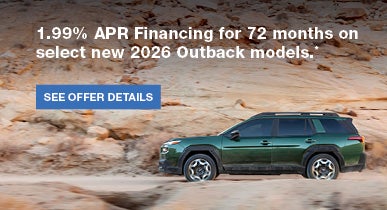
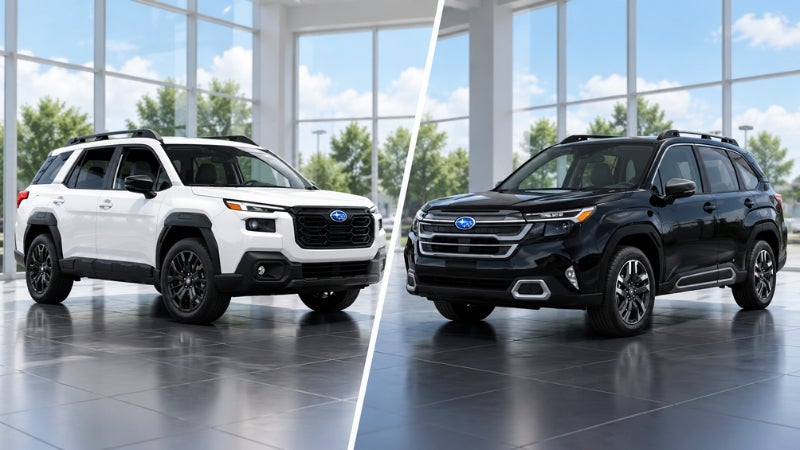
If you’re comparing the 2026 Subaru Outback vs Forester, you’re looking at two capable Subaru SUVs built for everyday driving, changing weather, and weekend adventures. Both models come standard with Subaru Symmetrical All-Wheel Drive and offer strong ground clearance, modern technology, and a range of comfort and convenience features. The biggest differences between the Subaru Outback vs Forester come down to size, available powertrains, technology, and overall configuration. The completely redesigned 2026 Outback is a midsize SUV with available turbocharged performance, while the Forester is a compact SUV that also gives shoppers an available hybrid option. For Milwaukee and Wisconsin drivers, choosing between them largely depends on the type of SUV, performance, efficiency, and features that best fit your driving needs. Quick Answer: What’s the Difference Between the Subaru Outback vs Forester The 2026 Subaru Outback is a midsize SUV with standard Symmetrical All-Wheel Drive, a standard 12.1-inch touchscreen, available 260-horsepower turbocharged performance, and an Outback Wilderness model with 9.5 inches of ground clearance. The 2026 Subaru Forester is a compact SUV with standard Symmetrical All-Wheel Drive, up to 33 MPG highway, an available hybrid powertrain, and a Wilderness trim designed for added capability. The right choice depends on whether you prefer the Outback’s midsize design and available turbocharged engine or the Forester’s compact SUV format and available hybrid powertrain. Subaru Outback vs Forester: Two Different SUV Designs Although the Outback and Forester share many Subaru traits, they sit in different SUV segments. The completely redesigned 2026 Subaru Outback is a midsize SUV with a new upright exterior design and a spacious interior. Its larger format may appeal to drivers who want a comfortable SUV for commuting, road trips, passengers, and cargo. The 2026 Subaru Forester is a compact SUV that combines standard Symmetrical All-Wheel Drive with a versatile interior and several available trim configurations. For shoppers comparing the Subaru Outback vs Forester, size is one of the first differences to consider. Drivers interested in a midsize SUV may want to look more closely at the Outback, while those who prefer a compact SUV may find the Forester fits their needs better. How Do the Outback and Forester Compare for Wisconsin Driving Both the 2026 Subaru Outback and Forester offer features that can help Milwaukee-area drivers handle snow, rain, and changing road conditions year-round. Here are four key ways they compare: Standard All-Wheel Drive: Both SUVs come standard with Subaru Symmetrical All-Wheel Drive, providing added traction and control in changing Wisconsin weather. Strong Ground Clearance: The 2026 Outback Premium and Forester Base each provide 8.7 inches of ground clearance, giving both SUVs added space for navigating snow-covered roads and uneven terrain. Outback Wilderness Capability: The 2026 Outback Wilderness provides 9.5 inches of ground clearance, a raised suspension with electronically controlled dampers, all-terrain tires, and integrated tow points. Forester Wilderness Capability: The 2026 Forester Wilderness includes a raised suspension, Yokohama GEOLANDAR all-terrain tires, Dual-function X-MODE with Hill Descent Control, and a 180-Degree Front-View Monitor. Both models provide year-round Subaru capability, while the Wilderness trims add specialized equipment for drivers who want additional confidence beyond paved roads. Subaru Outback vs Forester Gas Mileage Fuel economy can play an important role when comparing the Subaru Outback vs Forester, especially for drivers balancing everyday efficiency with standard all-wheel-drive capability. Model Fuel Economy Notes 2026 Subaru Outback Up to 31 MPG highway / 25 MPG city Standard Symmetrical All-Wheel Drive 2026 Subaru Forester Up to 33 MPG highway / 26 MPG city Standard Symmetrical All-Wheel Drive 2026 Subaru Forester Hybrid 35 MPG city Up to 581 miles of driving range and Symmetrical All-Wheel Drive The Forester lineup offers an additional efficiency-focused option with the available Forester Hybrid. Subaru City of Milwaukee lists the Forester Hybrid at 35 MPG city and up to 581 miles of driving range. Subaru Outback vs Forester Performance Performance is one area where the Outback and Forester take noticeably different approaches. Select Outback trims offer a 260-horsepower direct-injection turbocharged SUBARU BOXER engine, giving drivers an available performance upgrade. The Forester lineup takes a different approach by offering an available hybrid-electric drivetrain for shoppers who want to combine Subaru capability with greater fuel efficiency. Model or Trim Performance Highlight Notes 2026 Subaru Outback Wilderness 260-hp direct-injection turbocharged SUBARU BOXER engine Turbocharged Outback option 2026 Subaru Outback Limited XT 260-hp direct-injection turbocharged SUBARU BOXER engine Turbocharged performance 2026 Subaru Outback Touring XT 260-hp direct-injection turbocharged SUBARU BOXER engine Turbocharged performance 2026 Subaru Forester Standard Subaru powertrain Standard Symmetrical All-Wheel Drive 2026 Subaru Forester Hybrid Advanced Subaru hybrid-electric drivetrain Combines hybrid technology with Symmetrical All-Wheel Drive For many shoppers, this part of the Subaru Outback vs Forester comparison comes down to whether they prefer the Outback's available turbocharged performance or the Forester's available hybrid efficiency. Interior Space and Everyday Versatility Both SUVs are designed for passengers, cargo, commuting, and weekend travel, but they offer different combinations of interior features and convenience equipment. Feature 2026 Subaru Outback 2026 Subaru Forester SUV Class Midsize SUV Compact SUV Cargo Space Spacious interior Up to 74.4 cubic feet on Forester Base Roof Rails Raised roof rails on Premium Raised roof rails on Base Power Rear Gate Included on Premium Available on Premium and standard on select higher trims Moonroof Available on select trims Panoramic power moonroof on Premium Seating Upgrades Leather and Nappa leather options available on higher trims Leather-trimmed upholstery available on higher trims Premium Comfort Heated rear seats and ventilated front seats available on higher trims Heated front and rear seats available on Touring Premium Convenience Features Navigation, 360-degree Surround View Monitor, and Smart Rear-View Mirror available on higher trims Navigation and 360-degree Surround View Monitor available on Touring Both lineups offer multiple trim levels, allowing shoppers to choose the combination of cargo space, comfort, technology, and convenience features that best fits their needs. Subaru Outback vs Forester Technology Technology is another important part of the Subaru Outback vs Forester comparison. Both SUVs offer Subaru EyeSight Driver Assist Technology along with available connectivity, navigation, camera technology, and other convenience features. The exact equipment depends on the trim level you choose. Technology Feature 2026 Subaru Outback 2026 Subaru Forester Driver Assistance EyeSight Driver Assist Technology standard EyeSight Driver Assist Technology standard Touchscreen Standard 12.1-inch touchscreen Available 11.6-inch high-resolution touchscreen Smartphone Integration Multimedia connectivity features Wireless Apple CarPlay and Android Auto available Navigation Available on higher trims Available on higher trims Premium Audio Harman Kardon premium audio available Harman Kardon premium audio available on select models Wireless Charging Available on select trims Available 360-Degree Camera Available on Touring and Touring XT Available on Touring Driver Assistance Upgrades Highway Hands-Free Assist on Touring and Touring XT DriverFocus Distraction Mitigation System on Touring Additional Visibility Features Smart Rear-View Mirror available on Touring and Touring XT 180-Degree Front-View Monitor on Wilderness Because available technology varies by trim, shoppers should compare the specific Outback and Forester configurations they are considering rather than relying only on the model names. Which Is Better: Subaru Outback or Forester? There isn’t one answer that works for every driver. The right SUV depends on which combination of size, performance, efficiency, technology, and capability matters most to you. The 2026 Subaru Outback may be a good fit if you’re looking for: A midsize Subaru SUV A newly redesigned exterior and interior A standard 12.1-inch touchscreen Available 260-horsepower turbocharged performance A Wilderness trim with 9.5 inches of ground clearance Available Highway Hands-Free Assist on higher trims The 2026 Subaru Forester may be a good fit if you’re looking for: A compact Subaru SUV Up to 33 MPG highway Up to 74.4 cubic feet of cargo volume on the Forester Base An available hybrid powertrain Up to 581 miles of range with the Forester Hybrid A Wilderness trim with additional capability-focused equipment Ultimately, the Subaru Outback vs Forester decision comes down to how you plan to use your SUV and which combination of features fits your daily driving. Compare the Subaru Outback and Forester at Subaru City of Milwaukee If you’re deciding between the 2026 Subaru Outback vs Forester, Schlossmann Subaru City of Milwaukee makes it easy to compare both SUVs in person. Browse the current 2026 Subaru Outback inventory and 2026 Subaru Forester inventory to compare available trims, colors, features, and configurations. You can also schedule a test drive to experience both models and see which one feels right for you. Whether you’re commuting around Milwaukee, preparing for Wisconsin winter weather, or planning your next weekend trip, both SUVs offer Subaru capability with different features, powertrains, and configurations to consider. If you’re shopping for a Subaru Outback near me from Waukesha or the western suburbs, our Milwaukee showroom is a short drive away. FAQs Is the Subaru Outback or Forester better for snow? Both the 2026 Subaru Outback and Forester come standard with Subaru Symmetrical All-Wheel Drive. The Outback Premium and Forester Base each provide 8.7 inches of ground clearance, while the Wilderness versions add additional capability-focused equipment. Does the Subaru Outback or Forester get better gas mileage? The 2026 Subaru Forester offers up to 33 MPG highway and 26 MPG city, while the 2026 Subaru Outback offers up to 31 MPG highway and 25 MPG city. The Forester is also available as a hybrid, with Subaru City of Milwaukee listing the Forester Hybrid at 35 MPG city. Is the Subaru Forester available as a hybrid? Yes. The 2026 Forester Hybrid uses an advanced Subaru hybrid-electric drivetrain with Symmetrical All-Wheel Drive. Subaru City of Milwaukee lists up to 581 miles of driving range and 35 MPG city. Does the 2026 Subaru Outback have a turbocharged engine? Yes. The 2026 Outback Wilderness, Limited XT, and Touring XT feature a 260-horsepower direct-injection turbocharged SUBARU BOXER engine. Which has more ground clearance, the Subaru Outback or Forester? The 2026 Outback Premium and Forester Base each provide 8.7 inches of ground clearance. The Outback Wilderness increases ground clearance to 9.5 inches. The Forester Wilderness also receives a raised suspension and increased ground clearance for additional capability.

Subaru battery replacement

6 Warning Signs Your Subaru May Need a Battery Replacement

A dependable battery is essential every time you start your Subaru. But batteries don't last forever, and warning signs can sometimes appear before a battery stops working altogether. If you're wondering whether it's time to replace your Subaru battery, paying attention to changes in how your vehicle starts and runs can help you spot a problem early. This is especially important for Milwaukee drivers, where batteries must handle both cold Wisconsin winters and hot summer temperatures. Here are six signs that it may be time to have your Subaru battery checked. Quick Answer: When Should You Consider a Subaru Battery Replacement? You may want to have your Subaru battery inspected if you've noticed sluggish starting, electrical problems, a battery or charging-system warning light, corrosion around the battery terminals, or if your battery is already several years old. Temperature extremes can also put additional strain on an aging battery. If you're unsure about your battery's condition, Schlossmann Subaru City of Milwaukee offers battery health testing, battery service, and battery replacement. 1. Your Subaru Is Slower to Start If your Subaru takes longer than usual to turn over, especially first thing in the morning. The battery may be losing strength. That doesn’t always mean it needs replacing right away, but it’s a good reason to have it tested before you end up with a no-start situation. 2. You're Experiencing Electrical Issues If your lights, accessories, or other electrical features aren’t working the way they normally do, a weakening battery could be part of the problem. Of course, not every electrical issue starts with the battery. Having the battery and charging system checked can help pinpoint whether the battery is losing power or something else needs attention. 3. The Battery or Charging-System Warning Light Comes On That red battery light on the dash is easy to dismiss, but it usually means something in the battery or charging system needs attention. It doesn’t automatically mean the battery is bad, though. Having the system checked can help narrow down whether the issue is the battery, the charging system, or something else. 4. You Notice Corrosion Around the Battery Terminals Corrosion or buildup around the battery terminals can interfere with the connection between the battery and your vehicle's electrical system. If you see corrosion building up around the battery terminals, it’s worth having them checked. A dirty or corroded connection can make it harder for the battery to do its job and may contribute to starting or electrical issues. 5. Your Battery Is More Than a Few Years Old Once a battery has been in your Subaru for a few years, it’s smart to keep a closer eye on it. We recommend paying closer attention around the three-year mark, as many batteries reach replacement age between three and five years. There’s no exact expiration date, though. Weather, driving habits, and how often you use your Subaru can all affect battery life, so a quick battery test is the best way to see how much life it may have left. 6. Your Battery Is Struggling During Extreme Wisconsin Weather Wisconsin weather can be tough on a car battery. A battery that seems fine in mild weather may start showing its age when temperatures climb in summer or drop sharply in winter. If your Subaru is suddenly slower to start when the weather turns extreme, especially with an older battery, that’s a good time to get it checked. Don't Wait Until Your Subaru Won't Start Battery problems don't always happen without warning. Sluggish starts, electrical issues, dashboard warning lights, corrosion, battery age, and changes during extreme weather can all be reasons to take a closer look at your battery. Schlossmann Subaru City of Milwaukee offers battery health testing, battery service, and battery replacement, making it easy to have your battery inspected before a small concern becomes a bigger inconvenience. If you've noticed any of these warning signs or aren't sure about your battery's condition, schedule a service appointment with Schlossmann Subaru City of Milwaukee and have the service team check it for you. Frequently Asked Questions How do I know if my Subaru battery needs to be replaced? A weakening battery can show up in a few different ways, from slower starts and electrical glitches to a battery warning light or corrosion around the terminals. Age matters too, especially if the battery has already been in your Subaru for a few years. How long does a Subaru battery last? Battery life can vary depending on driving conditions, climate, usage, and battery condition. That's why we recommend paying closer attention to batteries around three years old and note a three-to-five-year replacement range in our winter-preparation guidance. Can cold weather affect my Subaru battery? Yes. Especially with Milwaukee's cold winter temperatures, which can place extra strain on older batteries. Testing your battery before winter can help identify a weakening battery before extremely cold weather arrives. Can hot weather damage a car battery? High summer temperatures can accelerate battery wear and shorten battery life over time. We recommend battery testing as part of seasonal vehicle preparation, particularly when the battery is already several years old. Where can I get my Subaru battery checked in Milwaukee? If you’re in the Milwaukee, WI area, Schlossmann Subaru City of Milwaukee offers battery health tests, battery service, and battery replacement. If you're concerned about your battery's condition, schedule a service appointment with Schlossmann Subaru City of Milwaukee.