LABOR DAY HOURS • SALES OPEN ONLY •

9AM-5PM

Blog / Tips

🚗 Get Road Trip Ready: Top Vehicle Prep Tips for Memorial Day Weekend

Memorial Day Weekend blog banner (1)

Memorial Day weekend marks the unofficial start of summer — and one of the busiest travel times of the year. Whether you’re heading to the lake, visiting family, or simply enjoying a scenic drive, the last thing you want is car trouble putting a damper on your plans.

Before you hit the road, make sure your vehicle is as ready for adventure as you are. Here's your ultimate pre-road trip checklist to ensure safety, comfort, and peace of mind.


✅ 1. Check Your Tires

Your tires are your vehicle’s only contact with the road, so their condition is critical.

  • Tread Depth: Use the penny test — insert a penny into the tread with Lincoln’s head down. If you can see all of it, it's time for new tires.
  • Tire Pressure: Check your pressure when tires are cool and adjust according to your owner’s manual or door jamb sticker.
  • Spare Tire: Don’t forget to check your spare, too!

💡 Pro Tip: Stop by Schlossmann Subaru City of Milwaukee for a tire inspection this May!


🔋 2. Test the Battery

A weak battery is one of the most common causes of unexpected breakdowns. Heat, frequent short trips, and age can all take a toll.

  • Look for signs of corrosion on terminals.
  • Test the voltage if your battery is more than 3 years old.
  • Have it checked during a routine inspection.

🛢 3. Stay on Top of Oil & Fluids

Clean fluids keep your engine running smoothly and prevent overheating.

  • Oil: If it’s due for a change or looks dark and gritty, schedule a service.
  • Coolant: Essential for temperature regulation.
  • Brake, power steering, transmission fluids: Check levels and top off as needed.
  • Washer fluid: Keep it full for clear vision on dusty or buggy roads.

💨 4. Inspect the A/C and Cabin Air Filter

You don’t want to find out your air conditioning doesn’t work when you're stuck in Memorial Day traffic.

  • A/C Performance: Ensure cold air flows quickly and consistently.
  • Cabin Air Filter: Replacing a dirty filter improves airflow and air quality.

🔦 5. Check Lights, Wipers, and Visibility

  • Headlights & Taillights: Inspect for outages and cloudiness.
  • Windshield Wipers: If they streak or squeak, it’s time to replace them.
  • Clean Your Windows: Inside and out, to reduce glare and improve visibility.

🧰 6. Pack an Emergency Kit

Be prepared for the unexpected with these essentials:

  • Jumper cables
  • Flashlight
  • First-aid kit
  • Bottled water and snacks
  • Cell phone charger
  • Roadside flares or triangles

🛠 BONUS: Let Us Help You Get Road Trip Ready!

At Schlossmann Subaru City of Milwaukee, we’re here to make sure your Memorial Day getaway goes off without a hitch. Our certified technicians can inspect your vehicle and handle any needed service so you can drive with confidence.

👉 Schedule your pre-road trip checkup today!


Final Thoughts

Memorial Day is a time to enjoy freedom, sunshine, and family. A little vehicle prep now can prevent major headaches later. Make sure your car is road-trip ready — and start your summer off right!

Posted in:

Related Posts

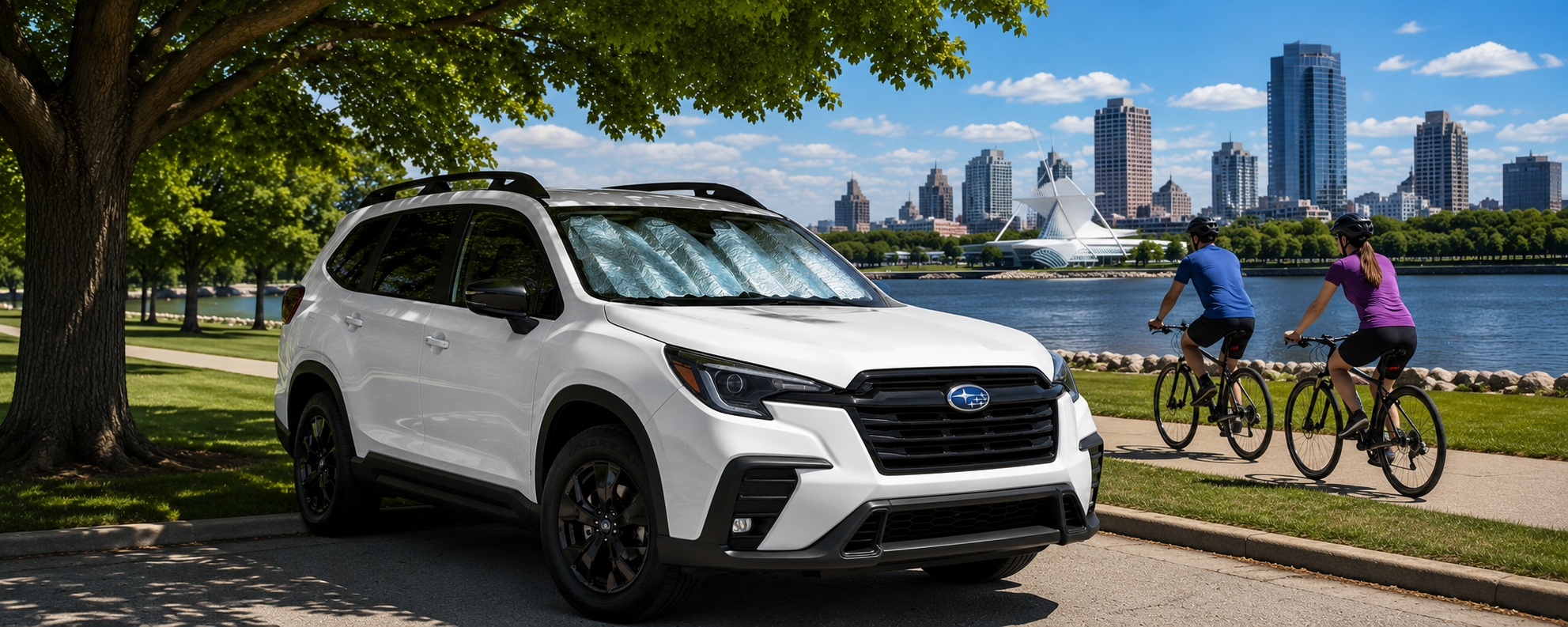
White Subaru Ascent parked beneath a tree with a windshield sunshade in place while two people ride bicycles along a lakeside path with the Milwaukee skyline in the background.

How to Keep Your Subaru Cool During Wisconsin's Hottest Summer Days

Summer in Wisconsin brings sunshine, road trips, festivals, and plenty of opportunities to enjoy the outdoors. It also brings days where temperatures climb into the upper 80s and 90s, putting additional stress on both your vehicle and its cooling systems. While Subaru vehicles are engineered for year-round performance, a few simple maintenance habits can help keep your vehicle comfortable and performing at its best during the hottest months of the year. Whether you're commuting through Milwaukee, heading to Summerfest, or taking a weekend drive to Door County, preparing your Subaru for warm-weather driving can make every trip more enjoyable. Quick Answer: How Can You Keep Your Subaru Cool in the Summer? To help keep your Subaru cool during hot weather, park in shaded areas whenever possible, use a windshield sunshade, check your coolant level, make sure your air conditioning system is working properly, and keep your cabin air filter clean. Routine maintenance can also help prevent overheating and improve comfort during summer driving. Park in the Shade When You Can Direct sunlight can quickly raise the temperature inside your vehicle. Parking beneath trees, in covered parking structures, or on the shaded side of a building can make a noticeable difference when you return to your Subaru. If shade isn't available, a quality windshield sunshade helps reduce heat buildup and protects your dashboard and interior materials from prolonged sun exposure. Make Sure Your Air Conditioning Is Performing Properly Your air conditioning system works hard during Wisconsin summers. If you've noticed weak airflow, warm air, unusual noises, or unpleasant odors coming from the vents, it may be time to have your A/C system inspected. A properly functioning air conditioning system not only keeps everyone comfortable but also helps reduce driver fatigue during longer trips. Check Your Coolant Before Summer Road Trips Your Subaru's cooling system helps regulate engine temperature during hot weather. Low coolant levels or aging coolant can reduce its ability to keep the engine operating efficiently. Before heading out on vacation or a weekend adventure, have your coolant inspected to help ensure your engine stays protected during extended drives. Replace Your Cabin Air Filter A clean cabin air filter allows your air conditioning system to circulate air more efficiently while helping reduce dust, pollen, and other airborne particles entering the cabin. Replacing the cabin air filter according to your maintenance schedule can improve airflow and contribute to a more comfortable driving experience throughout the summer. Keep Your Tires Properly Inflated As temperatures rise, tire pressure changes. Overinflated or underinflated tires can affect handling, braking performance, and fuel efficiency. Checking your tire pressure monthly—and before longer road trips—helps your Subaru perform as designed while promoting even tire wear. Don't Leave Heat-Sensitive Items Inside Items such as electronics, medications, beverages, and certain foods can be damaged when left inside a hot vehicle. Whenever possible, remove these items when parking for extended periods, especially during sunny afternoons. Wash Your Subaru Regularly Summer often means construction zones, bugs, tree sap, bird droppings, and road dust. Washing your Subaru regularly helps protect the paint and maintain its appearance throughout the season. Applying a quality wax or paint sealant can also help shield the finish from UV rays and make future cleanings easier. Why Summer Maintenance Matters Routine maintenance helps ensure your Subaru is ready for everything Wisconsin summers have to offer. From family vacations and camping trips to everyday commutes around Milwaukee, staying ahead of maintenance helps improve reliability, comfort, and peace of mind. If your next adventure includes destinations like Devil's Lake, Lake Geneva, or Kettle Moraine State Forest, knowing your vehicle has been properly inspected allows you to focus on enjoying the journey. Frequently Asked Questions Can hot weather affect my Subaru? Yes. High temperatures can place additional strain on your cooling system, battery, tires, and air conditioning system. Routine maintenance helps your Subaru perform reliably during the summer months. Why isn't my Subaru's air conditioner blowing cold air? Warm air can be caused by low refrigerant, a clogged cabin air filter, or other air conditioning system issues. If your A/C isn't cooling properly, it's a good idea to have it inspected. How often should I replace my cabin air filter? Most Subaru models recommend replacing the cabin air filter approximately every 12,000 to 18,000 miles, although driving conditions can affect replacement intervals. Should I check my coolant before a road trip? Yes. Coolant helps regulate engine temperature and is especially important during hot-weather driving and long-distance travel. Is it safe to leave electronics inside my vehicle during summer? Electronics can be damaged by extreme heat. It's best to remove phones, tablets, laptops, and other sensitive items whenever possible. How can I keep my Subaru's interior cooler? Using a windshield sunshade, parking in shaded areas, slightly venting the windows when safe, and maintaining your air conditioning system can all help reduce interior temperatures. Stay Comfortable All Summer Long Wisconsin summers are meant to be enjoyed, and your Subaru is built to help you make the most of every adventure. Whether you're exploring Milwaukee, visiting a state park, or heading north for a weekend getaway, a little preventative maintenance can help keep your vehicle cool, comfortable, and ready for the road. The certified technicians at Schlossmann Subaru City of Milwaukee are here to help with air conditioning inspections, cooling system maintenance, tire service, battery testing, and everything else your Subaru needs to perform at its best this summer. Schedule your next service appointment and enjoy every mile of your Wisconsin summer with confidence.

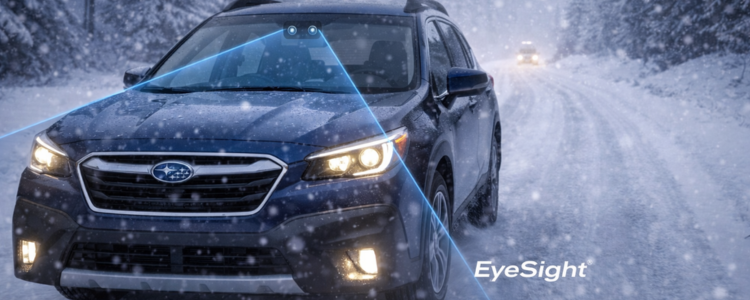
Subaru EyeSight® safety system driving in winter snow conditions.

Subaru EyeSight® in Winter: How It Performs in Harsh Conditions

Winter is one of the most dangerous driving seasons of the year. Snow, ice, early darkness, and unpredictable storms can quickly create stressful conditions. That’s why Subaru offers EyeSight® Driver Assist Technology, a system designed to help keep drivers safer and more aware when hazards appear. But many Subaru shoppers ask an important question: How does EyeSight® perform in winter weather? How EyeSight® Works EyeSight® uses dual forward-facing cameras near the rearview mirror to monitor the road. It can detect vehicles, lane markings, and movement ahead to provide driver support and safety alerts. In winter, those cameras are still working—but like your own eyes, they rely on visibility through the windshield. Winter Features That Help Most EyeSight® can support winter driving in several key ways: ✅ Adaptive Cruise Control Maintains distance even when vehicles slow suddenly on slick roads. ✅ Pre-Collision Braking Can help reduce impact or stop the vehicle if a collision is likely. ✅ Lane Departure Warning & Lane Keep Assist Helps you stay centered when visibility is reduced. ✅ Lead Vehicle Start Alert Helpful in snowy traffic when stop-and-go driving is common. What EyeSight® Can’t Do EyeSight® isn’t meant to replace driver attention. During extreme weather—heavy snow, ice-covered windshields, or fog so thick the cameras can’t see—the system may temporarily disable itself and notify the driver. That’s normal and designed for safety. How to Keep EyeSight® Working Well in Winter To ensure EyeSight® performs at its best: Keep the windshield clear and defrosted Replace wiper blades as needed Avoid windshield stickers near camera zones Clear snow and ice before driving The Bottom Line EyeSight® adds powerful protection during winter driving, especially during heavy traffic, slippery braking, and reduced visibility. Combined with Subaru’s AWD and stability engineering, it’s one more reason Subaru vehicles are trusted in harsh Midwest winters.

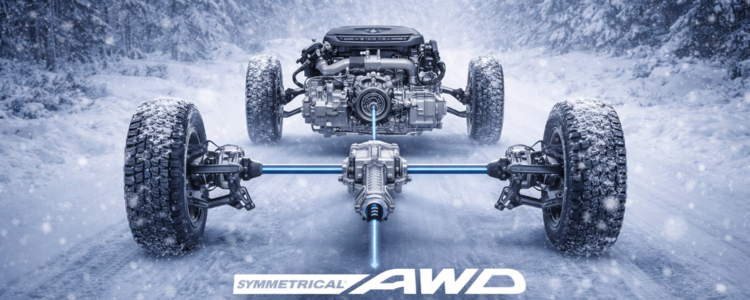
Subaru Symmetrical AWD system providing traction on snow and ice.

How Subaru Symmetrical AWD Helps You Stay in Control on Snow & Ice

When winter roads become slippery, your tires can lose traction fast—especially on icy intersections, slushy highways, and snow-covered side streets. Subaru is known for one major reason: confidence in tough weather. A big part of that reputation comes from Subaru Symmetrical All-Wheel Drive (AWD). Unlike many systems that activate only when slip is detected, Subaru’s AWD is built to keep power balanced and traction steady all the time. Here’s what that means for drivers in harsh winter climates. What Makes Subaru Symmetrical AWD Different? Most AWD systems are “part-time”—they run primarily in two-wheel drive and send power to other wheels only when traction is lost. Subaru Symmetrical AWD is different because it is designed to distribute power more evenly and consistently. It’s called “symmetrical” because the drivetrain is laid out in a balanced way from left to right. That balance helps create stability and predictability—two things drivers need most when roads are slick. More Traction, Less Wheel Spin In snow or ice, the goal is to prevent wheel spin before it happens. Subaru AWD helps by: Sending power to all wheels for better grip Automatically adjusting distribution to reduce slipping Working seamlessly with traction control This is especially valuable when pulling away from a stop on icy roads or climbing snowy hills. Better Balance in Winter Turns Winter driving isn’t only about moving forward—it’s also about control when braking or turning. Subaru’s low center of gravity from the BOXER® engine keeps the vehicle more stable and reduces body roll. That means better: Cornering control Reduced sliding on turns Confidence when roads are uneven or snow-packed AWD + X-MODE® = Next-Level Winter Confidence Many Subaru models also include X-MODE®, a feature designed for slippery and uneven conditions. X-MODE optimizes the engine, transmission, and braking system to maintain traction—especially on steep hills or deep snow. It can help with: Deep snow Mud and slush Icy inclines Off-road winter trails Why Subaru AWD Matters in Wisconsin In Wisconsin, winter conditions can change mile to mile. That’s why having AWD that’s always ready makes a huge difference. Subaru Symmetrical AWD doesn’t wait for traction loss—it helps prevent it. Bottom line: Subaru AWD gives you stable handling, better control, and more confidence in snow, ice, and slush—exactly what Midwest drivers need.