EXTENDED SALES HOURS • Oct.30th

OPEN UNTIL 9PM

Blog / Tips

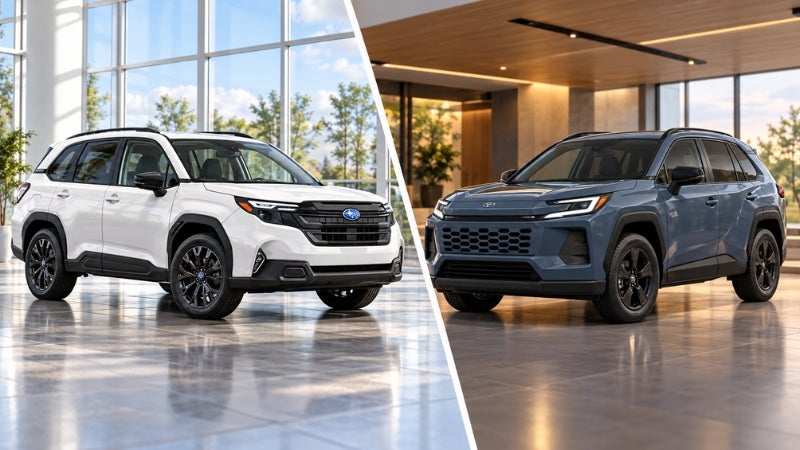
Subaru Forester vs. Toyota RAV4

Subaru Forester vs. Toyota RAV4

2026 Subaru Forester vs. 2026 Toyota RAV4

For Milwaukee drivers, the 2026 Subaru Forester is the stronger winter pick: every Forester comes standard with Symmetrical All-Wheel Drive and at least 8.7 inches of ground clearance. The 2026 Toyota RAV4 wins on fuel economy, with hybrid models rated up to 47 MPG city.


Both are five-passenger compact SUVs built around versatility, cargo space, and everyday practicality. The Forester Wilderness raises ground clearance to 9.3 inches. The RAV4 has moved to an all-electrified lineup of hybrid and plug-in hybrid models, offered with front-wheel drive or all-wheel drive depending on trim.


The better choice depends on whether you prioritize standard AWD and Wisconsin-ready capability, or the RAV4's higher fuel economy and plug-in hybrid option. If the Forester fits, see every 2026 Subaru Forester for sale at Subaru City of Milwaukee.


2026 Subaru Forester vs. 2026 Toyota RAV4: Quick Comparison


Feature

2026 Subaru Forester

2026 Toyota RAV4

Seating Capacity

5 passengers

5 passengers

Drivetrain

Symmetrical AWD standard

FWD or AWD, depending on trim

Standard Ground Clearance

8.7 in.

8.1 in. on most trims

Maximum Ground Clearance

9.3 in. (Wilderness)

8.5 in. (Woodland)

Powertrains

Gas or hybrid

Hybrid or plug-in hybrid (no gas-only model)

Gas Model Fuel Economy

Up to 26 city / 33 hwy MPG

Not offered

Best Hybrid MPG

35 MPG (EPA est.)

Up to 47 MPG city (FWD)

Maximum Cargo Volume

Up to 74.4 cu. ft.

Up to 70.4 cu. ft.

Maximum Towing Capacity

3,500 lbs. (Wilderness)

3,500 lbs. (select AWD trims)

Standard Safety Suite

EyeSight® Driver Assist Technology

Toyota Safety Senseâ„¢ 4.0

Off-Road Model

Forester Wilderness

RAV4 Woodland


The Forester includes all-wheel drive on every model, while the RAV4 gives shoppers more electrified-powertrain choices. If you want something smaller, compare the Subaru Crosstrek vs. Forester.


Does All-Wheel Drive Cost Extra on the Forester or RAV4?


The least expensive 2026 RAV4 starts at $31,900 for a front-wheel-drive hybrid, according to Toyota. Other RAV4 configurations offer all-wheel drive.


Every 2026 Forester already includes Symmetrical All-Wheel Drive, so there is no AWD upgrade to price in. Subaru City of Milwaukee posts current pricing and finance offers on every Forester and Forester Hybrid. Check current Subaru Forester deals, including financing offers, before you visit.


Which SUV Has More Passenger and Cargo Space?


Both the 2026 Forester and RAV4 seat five and provide flexible cargo areas for commuting, grocery runs, family trips, and weekend travel.


A 2026 Forester Premium at Subaru City of Milwaukee lists 106.6 cubic feet of passenger volume, 43.3 inches of front legroom, and 39.4 inches of second-row legroom. That configuration provides 27.5 cubic feet of cargo space behind the second row and 69.1 cubic feet behind the first row. Subaru City of Milwaukee lists up to 74.4 cubic feet of cargo volume for the Forester Base, so maximum capacity varies by configuration.


The 2026 RAV4 lists 98.9 cubic feet of passenger volume, 37.8 cubic feet of cargo space behind the second row, and up to 70.4 cubic feet with the rear seats folded.


Interior Space

2026 Subaru Forester

2026 Toyota RAV4

Seating Capacity

5

5

Passenger Volume

106.6 cu. ft. (Premium)

98.9 cu. ft.

Front Legroom

43.3 in.

41.0 in.

Rear Legroom

39.4 in.

37.8 in.

Cargo Behind Rear Seats

27.5 cu. ft. (Premium)

37.8 cu. ft.

Maximum Cargo Volume

Up to 74.4 cu. ft.

Up to 70.4 cu. ft.


The RAV4 has more cargo room behind the rear seats. The Forester offers more passenger volume, more front and rear legroom, and more total cargo space with the seats folded.


For families who regularly carry adults or older children in the second row, the Forester's extra legroom may matter as much as the cargo numbers. Need even more cargo length? See our Subaru Outback vs. Forester comparison.


Forester vs. RAV4 Performance

The 2026 Forester and RAV4 take very different approaches to performance.


Gas-powered 2026 Forester inventory at Subaru City of Milwaukee uses a 2.5-liter SUBARU BOXER® four-cylinder engine paired with a continuously variable transmission. Every Forester includes Symmetrical All-Wheel Drive.


Subaru City of Milwaukee lists the 2026 Forester Hybrid at 194 combined system horsepower and standard Symmetrical All-Wheel Drive. Browse each Subaru Forester Hybrid for sale in Milwaukee.


The 2026 Toyota RAV4 is hybrid-only. Toyota rates the RAV4 Hybrid at 226 net combined horsepower with front-wheel drive and 236 with all-wheel drive. The RAV4 Plug-in Hybrid produces 324 net combined horsepower.


Performance

2026 Subaru Forester

2026 Toyota RAV4

Gas Engine

2.5L BOXER 4-cylinder

Not offered

Hybrid Output

194 combined hp

226 hp FWD / 236 hp AWD

Plug-in Hybrid

Not offered

324 combined hp

Drivetrain

AWD standard

FWD or AWD, depending on trim


The RAV4 Hybrid offers more horsepower than the Forester Hybrid. The Forester's defining difference is that all-wheel drive comes standard, whether you choose the gas Forester or the Forester Hybrid.


Which Is Better for Milwaukee Winters?

Winter capability is one of the most important differences for Wisconsin drivers, and it's where the Forester has the clearest advantage.


Every 2026 Forester includes Symmetrical All-Wheel Drive. Standard Forester models provide 8.7 inches of ground clearance, useful for snow-covered side streets, unplowed parking lots, driveways, and winter commutes on I-94 and I-43.


The Forester Wilderness raises ground clearance to 9.3 inches and adds a raised suspension, Yokohama GEOLANDAR® all-terrain tires, and Dual-Function X-MODE® with Hill Descent Control.


The RAV4 offers all-wheel drive on select models, not across the lineup. Toyota lists 8.1 inches of ground clearance on most 2026 RAV4 trims, while the adventure-oriented Woodland increases that to 8.5 inches.


Winter Capability

2026 Subaru Forester

2026 Toyota RAV4

All-Wheel Drive

Standard

Available, depending on trim

Standard Ground Clearance

8.7 in.

8.1 in. on most trims

Maximum Ground Clearance

9.3 in. (Wilderness)

8.5 in. (Woodland)

Traction Modes

Dual-Function X-MODE® with Hill Descent Control (Wilderness)

Drive modes vary by trim

Rugged Model

Wilderness

Woodland


For Milwaukee drivers who don't want to wonder whether they picked the right drivetrain for winter, the Forester keeps it simple: AWD is already standard. Learn more in our guide to AWD vs. FWD in snow.


Which Can Tow More?


At the top end, it's a tie: the 2026 Forester Wilderness and most all-wheel-drive RAV4 trims are both rated to tow up to 3,500 pounds.


Subaru City of Milwaukee lists the Forester Wilderness with a towing capacity of 3,500 pounds, noting that capacity varies by trim and trailer brakes may be required. On the RAV4, the 3,500-pound rating applies to all-wheel-drive SE, XLE Premium and Woodland models; Toyota lists the RAV4 LE at 1,750 pounds.


Towing

2026 Subaru Forester

2026 Toyota RAV4

Maximum Towing

3,500 lbs. (Wilderness)

3,500 lbs. (AWD SE, XLE Premium, Woodland)

Lower Rating

Varies by trim

1,750 lbs. (LE)


Towing limits depend on configuration and equipment, so always confirm the rating for the exact vehicle before towing. Regular towing also adds wear, so follow the Subaru Forester maintenance schedule.


Which Gets Better Gas Mileage?

The RAV4 wins on fuel economy; the Forester Hybrid is the choice if you want better mileage without giving up standard AWD.


Subaru City of Milwaukee lists the conventional 2026 Forester at up to 26 MPG city and 33 MPG highway, with all-wheel drive standard. The Forester Wilderness is rated at 24 city and 28 highway. The 2026 Forester Hybrid gets 35 MPG and offers up to 581 miles of driving range, with standard Symmetrical All-Wheel Drive.


Front-wheel-drive RAV4 Hybrid models are rated up to 47 MPG city and 40 MPG highway. All-wheel-drive RAV4 trims are rated lower, down to 41 MPG city on the Woodland.


Fuel Economy

2026 Subaru Forester

2026 Toyota RAV4

Gas Model

Up to 26 city / 33 hwy MPG

Not offered

Hybrid

35 MPG, up to 581-mile range (Forester Hybrid, AWD)

Up to 47 city / 40 hwy MPG (RAV4 Hybrid, FWD)

AWD Standard?

Yes

No, depending on trim


If maximum MPG is your top priority, the RAV4 Hybrid has the edge. If you want hybrid efficiency while keeping standard Subaru AWD, the Forester Hybrid is the alternative.


Replacing an older, thirstier SUV? Check your current vehicle's trade-in value online first.


Forester vs. RAV4 Technology

Both compact SUVs offer modern infotainment and connectivity.


Subaru City of Milwaukee lists wireless Apple CarPlay® and Android Auto™ integration on the 2026 Forester, an 11.6-inch Multimedia Plus system on the Premium, and an 11.6-inch Multimedia system with Navigation on the Touring. The Touring also adds a 360-degree surround view monitor. Every Forester Hybrid trim gets a 12.3-inch fully digital instrument cluster.


The RAV4 LE and XLE Premium use a 10.5-inch Toyota Audio Multimedia touchscreen, while the XSE, Limited and GR SPORT get a 12.9-inch screen. A 12.3-inch digital gauge cluster is standard on every RAV4.


Technology

2026 Subaru Forester

2026 Toyota RAV4

Touchscreen

11.6 in. (Premium, Touring)

10.5 in.; 12.9 in. on upper trims

Wireless Apple CarPlay® / Android Auto™

Yes

Available

360-Degree Camera

Available

Available

Digital Instrument Cluster

12.3 in. on every Forester Hybrid

12.3 in. standard


The RAV4 has the larger maximum touchscreen and a standard digital cluster. The Forester offers an 11.6-inch display, wireless smartphone integration, and an available 360-degree surround view monitor.


Forester vs. RAV4 Safety Features


Every 2026 Forester comes with EyeSight® Driver Assist Technology. Subaru City of Milwaukee lists EyeSight features including Pre-Collision Braking, Lane Departure and Sway Warning, Advanced Adaptive Cruise Control with Lane Centering, Automatic Emergency Steering and Pre-Collision Throttle Management.


Depending on trim, the Forester adds Blind-Spot Detection (Sport and Limited), DriverFocus® Distraction Mitigation and a 360-degree surround view monitor (Touring).


Every 2026 RAV4 comes with Toyota Safety Senseâ„¢ 4.0, including Pre-Collision System with Pedestrian Detection, Full-Speed Range Dynamic Radar Cruise Control, Lane Departure Alert with Steering Assist, Lane Tracing Assist, and Proactive Driving Assist. Blind Spot Monitor and a Panoramic View Monitor are available depending on trim.


Both SUVs offer comprehensive active-safety technology. Compare the exact trim you're considering, since available systems differ across each lineup.


Driver-assist systems still depend on traction. Our guide to the best tires for Subaru Forester models covers what to run through a Wisconsin winter.


2026 Subaru Forester Trim Levels


2026 Subaru Forester Trim

Key Difference

Base

Standard AWD, EyeSight®, 8.7-in. clearance, 17-in. alloy wheels, raised roof rails

Premium

11.6-in. Multimedia Plus system, power moonroof, 10-way power driver's seat, All-Weather Package

Sport

19-in. bronze-finish wheels, SI-DRIVE, StarTex® upholstery, Blind-Spot Detection, available Onyx Edition

Wilderness

9.3-in. clearance, all-terrain tires, Dual-Function X-MODE®, 3,500-lb. towing

Limited

Leather-trimmed upholstery, power rear gate, Blind-Spot Detection

Touring

Navigation, 360-degree surround view monitor, heated front and rear seats, DriverFocus®


Subaru City of Milwaukee also offers the Forester Hybrid in Premium Hybrid, Sport Hybrid, Limited Hybrid and Touring Hybrid trims, all with Symmetrical All-Wheel Drive. That gives Forester shoppers a choice between gas and hybrid powertrains without giving up standard AWD.


Prefer a lower monthly payment? See current Subaru Forester lease deals.


2026 Toyota RAV4 Trim Levels


Toyota offers the 2026 RAV4 Hybrid in LE, SE, XLE Premium, Woodland, XSE, and Limited trims, plus a RAV4 Plug-in Hybrid that includes the performance-focused GR SPORT.


The Woodland is the closest RAV4 counterpart to the Forester Wilderness, with standard all-wheel drive, 8.5 inches of ground clearance, and adventure-focused equipment.


Subaru Forester vs. Toyota RAV4: Which Is Better?

No compact SUV is automatically better for every driver.


The 2026 Toyota RAV4 may be a better fit if you prioritize maximum fuel economy, more cargo room behind the second row, more horsepower, or a plug-in hybrid option.


The 2026 Subaru Forester makes a strong case for Milwaukee drivers who prioritize standard all-weather capability, passenger space, and ground clearance. Every Forester includes Symmetrical All-Wheel Drive, standard models offer 8.7 inches of ground clearance, and the Wilderness raises that to 9.3 inches and adds up to 3,500 pounds of towing.


Choose the 2026 Subaru Forester If You Want…

Choose the 2026 Toyota RAV4 If You Want…

Standard Symmetrical All-Wheel Drive

Higher hybrid MPG

AWD without paying for an upgrade

A plug-in hybrid option

8.7-in. standard ground clearance

More cargo room behind the rear seats

9.3-in. Wilderness capability

Woodland adventure trim

More passenger room and legroom

More hybrid horsepower

A gas or hybrid choice, both with AWD

Front-wheel drive to lower the price


For Milwaukee and southeastern Wisconsin drivers, the Forester's defining advantage is that winter-ready AWD is built into the entire lineup rather than something you need to add.


Shopping on a tighter budget? Browse every used Subaru Forester for sale at Subaru City of Milwaukee.


Test Drive a 2026 Subaru Forester at Subaru City of Milwaukee


The best way to decide whether the 2026 Forester is right for you is to drive one.


At Subaru City of Milwaukee, you can compare gas and hybrid Forester models across the Base, Premium, Sport, Wilderness, Limited, and Touring trims and see how the features change through the lineup.


Whether you need a daily commuter, a family SUV, better fuel economy, or more capability for Wisconsin winters, the Forester combines flexible passenger space with standard Symmetrical All-Wheel Drive and generous ground clearance.


Browse every new Subaru Forester for sale at Subaru City of Milwaukee, or visit us at 4640 S 27th St, Milwaukee, WI 53221. Call 414-488-1064 to schedule a test drive.


Frequently Asked Questions

Does the Subaru Forester or Toyota RAV4 come standard with AWD?

Every 2026 Subaru Forester comes standard with Symmetrical All-Wheel Drive. The 2026 Toyota RAV4 is offered with front-wheel drive or all-wheel drive, depending on trim.


Which has more ground clearance, the Forester or RAV4?


The standard 2026 Forester has 8.7 inches of ground clearance, compared with 8.1 inches on most RAV4 trims. The Forester Wilderness raises clearance to 9.3 inches, while the RAV4 Woodland has 8.5 inches.


Which gets better gas mileage, the Forester or RAV4?


The RAV4 does. Front-wheel-drive 2026 RAV4 Hybrid models are rated up to 47 MPG city and 40 MPG highway. Subaru City of Milwaukee lists the Forester Hybrid at 35 MPG and the gas Forester at up to 26 MPG city and 33 MPG highway, all with standard AWD.


Which has more passenger and cargo space, the Forester or RAV4?


The Forester Premium has 106.6 cubic feet of passenger volume versus 98.9 for the RAV4, plus more front and rear legroom. The RAV4 has more cargo room behind the rear seats (37.8 vs. 27.5 cubic feet), but the Forester offers more total cargo space with the seats folded (up to 74.4 vs. 70.4 cubic feet).


Can the Subaru Forester tow as much as the Toyota RAV4?


Yes, at the top end. The 2026 Forester Wilderness tows up to 3,500 pounds, matching all-wheel-drive RAV4 SE, XLE Premium, and Woodland models. The RAV4 LE is rated at 1,750 pounds.


Is the Subaru Forester good for Wisconsin winters?


Yes. Symmetrical All-Wheel Drive is standard on every 2026 Forester, and standard models have 8.7 inches of ground clearance. For deeper snow, the Forester Wilderness adds 9.3 inches of clearance, all-terrain tires and Dual-Function X-MODE® with Hill Descent Control. To compare the whole lineup, see our guide to the best Subaru for snow.


Sources: Subaru City of Milwaukee, 2026 Subaru Forester, 2026 Subaru Forester Hybrid, 2026 Subaru Forester Wilderness, Subaru hybrid vehicles and Subaru EyeSight; Toyota USA Newsroom, 2026 RAV4. Specifications as of October 2026 and subject to change.

Posted in:

Related Posts

White Subaru Ascent parked beneath a tree with a windshield sunshade in place while two people ride bicycles along a lakeside path with the Milwaukee skyline in the background.

How to Keep Your Subaru Cool During Wisconsin's Hottest Summer Days

Summer in Wisconsin brings sunshine, road trips, festivals, and plenty of opportunities to enjoy the outdoors. It also brings days where temperatures climb into the upper 80s and 90s, putting additional stress on both your vehicle and its cooling systems. While Subaru vehicles are engineered for year-round performance, a few simple maintenance habits can help keep your vehicle comfortable and performing at its best during the hottest months of the year. Whether you're commuting through Milwaukee, heading to Summerfest, or taking a weekend drive to Door County, preparing your Subaru for warm-weather driving can make every trip more enjoyable. Quick Answer: How Can You Keep Your Subaru Cool in the Summer? To help keep your Subaru cool during hot weather, park in shaded areas whenever possible, use a windshield sunshade, check your coolant level, make sure your air conditioning system is working properly, and keep your cabin air filter clean. Routine maintenance can also help prevent overheating and improve comfort during summer driving. Park in the Shade When You Can Direct sunlight can quickly raise the temperature inside your vehicle. Parking beneath trees, in covered parking structures, or on the shaded side of a building can make a noticeable difference when you return to your Subaru. If shade isn't available, a quality windshield sunshade helps reduce heat buildup and protects your dashboard and interior materials from prolonged sun exposure. Make Sure Your Air Conditioning Is Performing Properly Your air conditioning system works hard during Wisconsin summers. If you've noticed weak airflow, warm air, unusual noises, or unpleasant odors coming from the vents, it may be time to have your A/C system inspected. A properly functioning air conditioning system not only keeps everyone comfortable but also helps reduce driver fatigue during longer trips. Check Your Coolant Before Summer Road Trips Your Subaru's cooling system helps regulate engine temperature during hot weather. Low coolant levels or aging coolant can reduce its ability to keep the engine operating efficiently. Before heading out on vacation or a weekend adventure, have your coolant inspected to help ensure your engine stays protected during extended drives. Replace Your Cabin Air Filter A clean cabin air filter allows your air conditioning system to circulate air more efficiently while helping reduce dust, pollen, and other airborne particles entering the cabin. Replacing the cabin air filter according to your maintenance schedule can improve airflow and contribute to a more comfortable driving experience throughout the summer. Keep Your Tires Properly Inflated As temperatures rise, tire pressure changes. Overinflated or underinflated tires can affect handling, braking performance, and fuel efficiency. Checking your tire pressure monthly—and before longer road trips—helps your Subaru perform as designed while promoting even tire wear. Don't Leave Heat-Sensitive Items Inside Items such as electronics, medications, beverages, and certain foods can be damaged when left inside a hot vehicle. Whenever possible, remove these items when parking for extended periods, especially during sunny afternoons. Wash Your Subaru Regularly Summer often means construction zones, bugs, tree sap, bird droppings, and road dust. Washing your Subaru regularly helps protect the paint and maintain its appearance throughout the season. Applying a quality wax or paint sealant can also help shield the finish from UV rays and make future cleanings easier. Why Summer Maintenance Matters Routine maintenance helps ensure your Subaru is ready for everything Wisconsin summers have to offer. From family vacations and camping trips to everyday commutes around Milwaukee, staying ahead of maintenance helps improve reliability, comfort, and peace of mind. If your next adventure includes destinations like Devil's Lake, Lake Geneva, or Kettle Moraine State Forest, knowing your vehicle has been properly inspected allows you to focus on enjoying the journey. Frequently Asked Questions Can hot weather affect my Subaru? Yes. High temperatures can place additional strain on your cooling system, battery, tires, and air conditioning system. Routine maintenance helps your Subaru perform reliably during the summer months. Why isn't my Subaru's air conditioner blowing cold air? Warm air can be caused by low refrigerant, a clogged cabin air filter, or other air conditioning system issues. If your A/C isn't cooling properly, it's a good idea to have it inspected. How often should I replace my cabin air filter? Most Subaru models recommend replacing the cabin air filter approximately every 12,000 to 18,000 miles, although driving conditions can affect replacement intervals. Should I check my coolant before a road trip? Yes. Coolant helps regulate engine temperature and is especially important during hot-weather driving and long-distance travel. Is it safe to leave electronics inside my vehicle during summer? Electronics can be damaged by extreme heat. It's best to remove phones, tablets, laptops, and other sensitive items whenever possible. How can I keep my Subaru's interior cooler? Using a windshield sunshade, parking in shaded areas, slightly venting the windows when safe, and maintaining your air conditioning system can all help reduce interior temperatures. Stay Comfortable All Summer Long Wisconsin summers are meant to be enjoyed, and your Subaru is built to help you make the most of every adventure. Whether you're exploring Milwaukee, visiting a state park, or heading north for a weekend getaway, a little preventative maintenance can help keep your vehicle cool, comfortable, and ready for the road. The certified technicians at Schlossmann Subaru City of Milwaukee are here to help with air conditioning inspections, cooling system maintenance, tire service, battery testing, and everything else your Subaru needs to perform at its best this summer. Schedule your next service appointment and enjoy every mile of your Wisconsin summer with confidence.

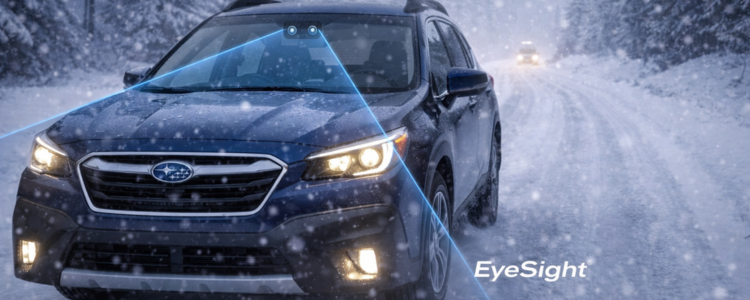
Subaru EyeSight® safety system driving in winter snow conditions.

Subaru EyeSight® in Winter: How It Performs in Harsh Conditions

Winter is one of the most dangerous driving seasons of the year. Snow, ice, early darkness, and unpredictable storms can quickly create stressful conditions. That’s why Subaru offers EyeSight® Driver Assist Technology, a system designed to help keep drivers safer and more aware when hazards appear. But many Subaru shoppers ask an important question: How does EyeSight® perform in winter weather? How EyeSight® Works EyeSight® uses dual forward-facing cameras near the rearview mirror to monitor the road. It can detect vehicles, lane markings, and movement ahead to provide driver support and safety alerts. In winter, those cameras are still working—but like your own eyes, they rely on visibility through the windshield. Winter Features That Help Most EyeSight® can support winter driving in several key ways: ✅ Adaptive Cruise Control Maintains distance even when vehicles slow suddenly on slick roads. ✅ Pre-Collision Braking Can help reduce impact or stop the vehicle if a collision is likely. ✅ Lane Departure Warning & Lane Keep Assist Helps you stay centered when visibility is reduced. ✅ Lead Vehicle Start Alert Helpful in snowy traffic when stop-and-go driving is common. What EyeSight® Can’t Do EyeSight® isn’t meant to replace driver attention. During extreme weather—heavy snow, ice-covered windshields, or fog so thick the cameras can’t see—the system may temporarily disable itself and notify the driver. That’s normal and designed for safety. How to Keep EyeSight® Working Well in Winter To ensure EyeSight® performs at its best: Keep the windshield clear and defrosted Replace wiper blades as needed Avoid windshield stickers near camera zones Clear snow and ice before driving The Bottom Line EyeSight® adds powerful protection during winter driving, especially during heavy traffic, slippery braking, and reduced visibility. Combined with Subaru’s AWD and stability engineering, it’s one more reason Subaru vehicles are trusted in harsh Midwest winters.

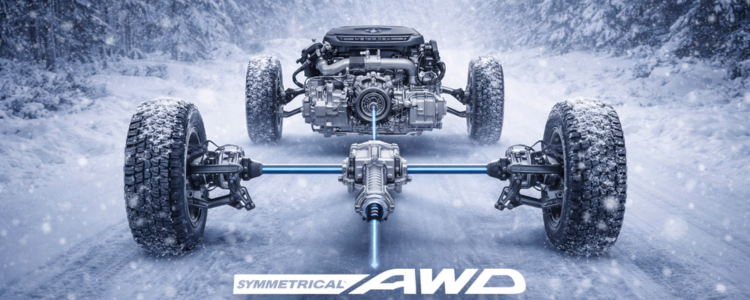
Subaru Symmetrical AWD system providing traction on snow and ice.

How Subaru Symmetrical AWD Helps You Stay in Control on Snow & Ice

When winter roads become slippery, your tires can lose traction fast—especially on icy intersections, slushy highways, and snow-covered side streets. Subaru is known for one major reason: confidence in tough weather. A big part of that reputation comes from Subaru Symmetrical All-Wheel Drive (AWD). Unlike many systems that activate only when slip is detected, Subaru’s AWD is built to keep power balanced and traction steady all the time. Here’s what that means for drivers in harsh winter climates. What Makes Subaru Symmetrical AWD Different? Most AWD systems are “part-time”—they run primarily in two-wheel drive and send power to other wheels only when traction is lost. Subaru Symmetrical AWD is different because it is designed to distribute power more evenly and consistently. It’s called “symmetrical” because the drivetrain is laid out in a balanced way from left to right. That balance helps create stability and predictability—two things drivers need most when roads are slick. More Traction, Less Wheel Spin In snow or ice, the goal is to prevent wheel spin before it happens. Subaru AWD helps by: Sending power to all wheels for better grip Automatically adjusting distribution to reduce slipping Working seamlessly with traction control This is especially valuable when pulling away from a stop on icy roads or climbing snowy hills. Better Balance in Winter Turns Winter driving isn’t only about moving forward—it’s also about control when braking or turning. Subaru’s low center of gravity from the BOXER® engine keeps the vehicle more stable and reduces body roll. That means better: Cornering control Reduced sliding on turns Confidence when roads are uneven or snow-packed AWD + X-MODE® = Next-Level Winter Confidence Many Subaru models also include X-MODE®, a feature designed for slippery and uneven conditions. X-MODE optimizes the engine, transmission, and braking system to maintain traction—especially on steep hills or deep snow. It can help with: Deep snow Mud and slush Icy inclines Off-road winter trails Why Subaru AWD Matters in Wisconsin In Wisconsin, winter conditions can change mile to mile. That’s why having AWD that’s always ready makes a huge difference. Subaru Symmetrical AWD doesn’t wait for traction loss—it helps prevent it. Bottom line: Subaru AWD gives you stable handling, better control, and more confidence in snow, ice, and slush—exactly what Midwest drivers need.