Blog / Maintenance & Service

Summer Car Care Tips for Wisconsin Drivers

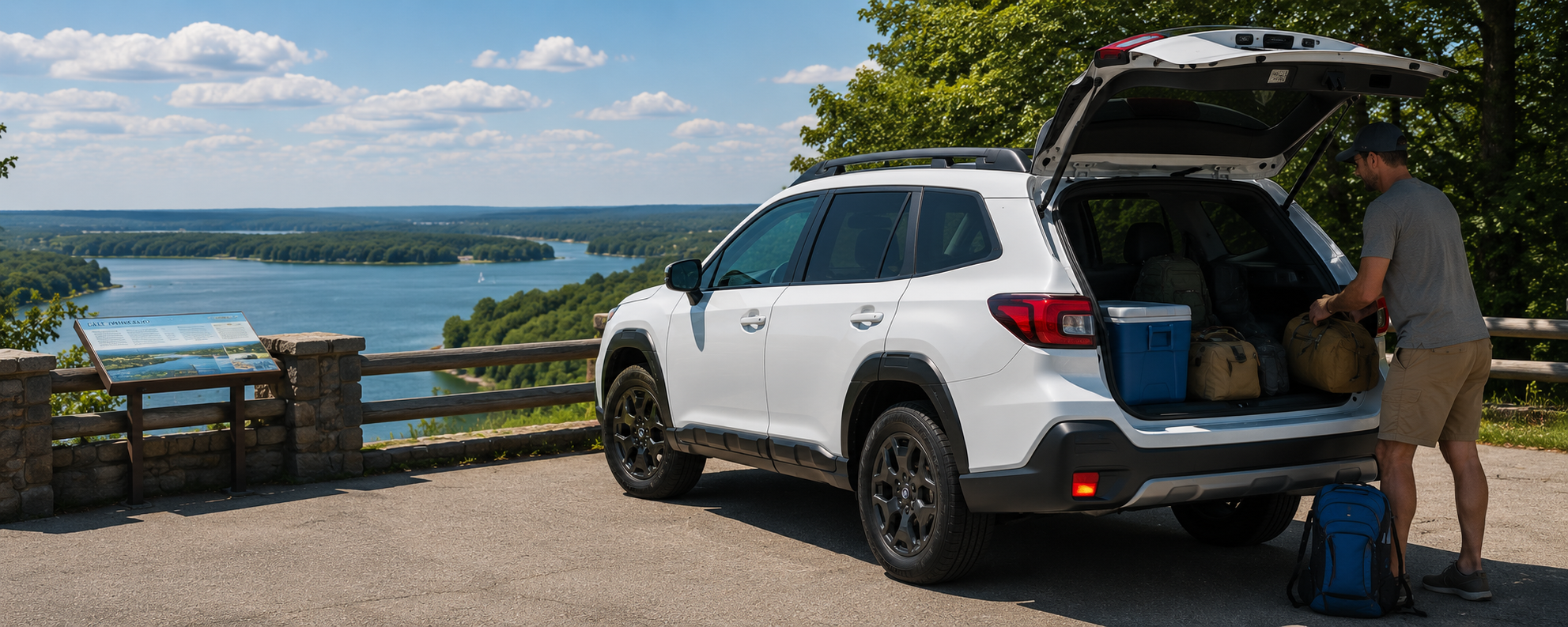
White Subaru Outback parked beside a scenic overlook with the rear hatch open and travel gear loaded in the cargo area.

Summer in Wisconsin means road trips, weekend adventures, family vacations, and plenty of time spent behind the wheel. While many drivers focus on preparing their vehicles for winter weather, summer conditions can be just as demanding. Heat, heavy rain, construction zones, and increased travel can all put additional stress on your vehicle.

Taking a few preventative maintenance steps before your next adventure can help improve reliability, safety, and overall driving enjoyment throughout the season.

Quick Answer: What Should Wisconsin Drivers Check Before Summer?

Before summer driving season, Wisconsin drivers should inspect their tires, battery, brakes, air conditioning system, fluids, windshield wipers, and vehicle filters. Addressing these items early can help reduce the risk of breakdowns and improve overall vehicle performance during warm-weather travel.

Check Your Tire Condition and Tire Pressure

Your tires are one of the most important safety components on your vehicle. During the summer months, rising temperatures can affect tire pressure and accelerate tire wear, especially during long road trips.

Before heading out on vacation or a weekend getaway, inspect your tires for uneven wear, damage, or low tread depth. Make sure tire pressures are adjusted according to the manufacturer's recommendations.

Properly maintained tires can improve handling, fuel efficiency, and braking performance while helping provide a smoother driving experience.

Test Your Battery Before It Becomes a Problem

Many drivers associate battery failures with cold winter mornings, but summer heat can be equally damaging. High temperatures can accelerate battery wear and shorten battery life over time.

If your battery is more than a few years old or you've noticed slow starts recently, having it tested before summer travel is a smart precaution. A quick battery inspection can help identify potential issues before they leave you stranded.

Make Sure Your Air Conditioning Is Ready

Nothing can ruin a summer road trip faster than a weak air conditioning system.

If your vehicle is taking longer to cool down, producing unusual odors, or blowing warm air, it may be time for an inspection. Ensuring your A/C system is operating properly helps keep everyone comfortable during Milwaukee's warm summer days and longer highway drives across Wisconsin.

Don't Ignore Brake Performance

Summer often means increased traffic, road construction, and longer trips. Reliable braking performance becomes especially important during these busy travel months.

If you hear squeaking, grinding, or notice vibration while braking, schedule an inspection as soon as possible. Addressing brake concerns early can help prevent more expensive repairs and improve safety on the road.

Check Essential Vehicle Fluids

Your vehicle relies on several important fluids to operate properly, including:

  • Engine oil
  • Coolant
  • Brake fluid
  • Transmission fluid
  • Windshield washer fluid

These systems work harder during hot weather and extended driving. Ensuring fluid levels and conditions are properly maintained can help protect major vehicle components and support long-term reliability.

Prepare for Wisconsin Summer Storms

Wisconsin summers often bring sudden rainstorms and changing weather conditions. Visibility can quickly become a concern when heavy rain moves through the area.

Inspect your windshield wipers and replace them if they leave streaks or fail to clear water effectively. Maintaining good visibility is one of the easiest ways to improve driving confidence during summer storms.

Replace Dirty Cabin and Engine Air Filters

Summer travel often means increased dust, pollen, and airborne debris. A clean cabin air filter helps improve interior air quality, while a clean engine air filter supports efficient engine performance.

Replacing these filters according to your vehicle's maintenance schedule can contribute to a more comfortable driving experience throughout the season.

Why Summer Maintenance Matters for Subaru Owners

Whether you're planning a trip to Door County, exploring Kettle Moraine, visiting Lake Geneva, or simply commuting around Milwaukee, proper maintenance helps your Subaru perform at its best.

Subaru vehicles are designed for adventure, but routine maintenance plays an important role in protecting your investment and helping ensure dependable performance throughout every season.

Frequently Asked Questions

How often should I check my tire pressure during summer?

It's a good idea to check tire pressure at least once a month and before any long road trip. Temperature changes can affect tire pressure throughout the summer.

Can hot weather damage a car battery?

Yes. Excessive heat can accelerate battery wear and shorten its lifespan, especially in older batteries.

Why is coolant important during summer?

Coolant helps regulate engine temperature and prevents overheating during hot weather and extended driving.

How do I know if my air conditioning system needs service?

Signs may include weak airflow, warm air, unusual odors, or longer cooling times than normal.

Should I have my vehicle inspected before a road trip?

Yes. A pre-trip inspection can help identify maintenance concerns before they become larger problems during travel.

Get Your Vehicle Ready for Summer at Schlossmann Subaru City

Summer adventures should be about enjoying the journey—not worrying about vehicle problems. A little preventative maintenance can go a long way toward helping your vehicle stay reliable throughout Wisconsin's busiest travel season.

Whether you need an oil change, tire inspection, battery test, brake service, or a complete summer vehicle checkup, the service team at Schlossmann Subaru City is here to help.

Schedule your next service appointment and enjoy the confidence that comes from knowing your vehicle is ready for whatever summer brings.

Frequently Asked Questions

What maintenance should I do before a summer road trip?

Before a summer road trip, drivers should check tire pressure, fluid levels, battery condition, brake performance, air conditioning operation, and windshield wipers. A pre-trip inspection can help identify potential issues before they become unexpected problems on the road.

Why is tire pressure important during summer?

As temperatures rise, air inside your tires expands, which can affect tire pressure. Driving with incorrect tire pressure can lead to uneven tire wear, reduced fuel efficiency, and decreased handling performance. Checking tire pressure regularly throughout the summer helps keep your vehicle operating safely.

Can hot weather affect my car battery?

Yes. Extreme heat can be just as hard on a battery as extreme cold. High temperatures can accelerate internal wear and shorten battery life. If your battery is several years old, it's a good idea to have it tested before summer travel season.

How often should I change my engine oil?

Oil change intervals vary depending on your vehicle, driving habits, and oil type. Many modern Subaru vehicles can go several thousand miles between oil changes, but drivers should always follow the maintenance schedule outlined in their owner's manual.

Why is my air conditioner not blowing cold air?

Warm air from your air conditioning system can be caused by low refrigerant levels, a clogged cabin air filter, or other system issues. If your A/C isn't keeping the cabin comfortable, having it inspected before summer temperatures peak can help prevent larger repairs.

What should I keep in my vehicle during summer travel?

Drivers should consider carrying water, a phone charger, a flashlight, a first-aid kit, jumper cables, and emergency supplies. These items can be helpful during road trips and unexpected travel delays.

Is summer maintenance different from winter maintenance?

While some maintenance items remain important year-round, summer maintenance focuses more on cooling systems, air conditioning performance, tire condition, battery health, and preparing for long-distance travel. Winter maintenance often emphasizes cold-weather starting, heating systems, and snow-related driving conditions.

Should I service my Subaru before driving to Door County or Northern Wisconsin?

Yes. If you're planning a longer trip to destinations like Door County, the Northwoods, or Wisconsin state parks, scheduling a service inspection beforehand can help ensure your Subaru is ready for the additional miles and varying road conditions.

How can I improve fuel efficiency during summer road trips?

Maintaining proper tire pressure, keeping up with routine maintenance, removing unnecessary cargo, and avoiding aggressive acceleration can all help improve fuel efficiency during summer travel.

How do I know if my brakes need service?

Common signs include squeaking, grinding, vibration while braking, longer stopping distances, or a brake warning light. If you notice any of these symptoms, it's important to have your brakes inspected promptly.
Posted in:

Related Posts

Subaru driving on wet and lightly snowy road with all-season tires for year-round performance.

Best All-Season Tires for Subaru Crosstrek, Outback & Forester

Subaru vehicles are known for their Symmetrical All-Wheel Drive, but even the best AWD system depends on one critical factor: your tires. If you’re driving a Crosstrek, Outback, or Forester, choosing the right all-season tires can improve traction, comfort, and overall performance year-round. All-season tires are designed to handle dry roads, rain, and light snow, making them a popular choice for drivers who want versatility without switching tires every season. Here’s what Subaru drivers should know — and some of the best options available. What Makes a Good All-Season Tire for Subaru? Subaru AWD vehicles rely on balanced traction across all four wheels, so tire quality and consistency matter. A good all-season tire should offer: Reliable wet and dry traction Light snow capability Even treadwear for AWD systems Comfortable, quiet ride Long tread life For daily drivers in places like Wisconsin, all-season tires provide a solid balance — but they’re not a replacement for dedicated winter tires in extreme conditions. Top All-Season Tire Options for Subaru Models Here are some of the most recommended all-season tires for Subaru Crosstrek, Outback, and Forester drivers: 1. Michelin CrossClimate2 One of the most popular choices for Subaru owners, the Michelin CrossClimate2 delivers strong performance in all conditions. Excellent wet and dry traction Performs well in light snow Long-lasting tread life Quiet and comfortable ride This tire is often considered a top “all-weather” option, giving you extra confidence during unpredictable Midwest seasons. 2. Continental PureContact LS A great option for drivers focused on comfort and everyday performance. Smooth, quiet ride Strong fuel efficiency Excellent wet traction Long treadwear warranty Consumer Reports has ranked this tire as a top all-season pick for balanced performance and durability. 3. Vredestein HiTrac All Season A lesser-known but highly rated tire, especially for SUVs like the Outback and Forester. Strong wet-road performance Comfortable for long drives Balanced handling and stability This tire is often recommended as a well-rounded SUV all-season option. 4. Pirelli Cinturato P7 All Season Plus II A solid choice for drivers who prioritize efficiency and comfort. Low road noise Good fuel economy Reliable traction in multiple conditions 5. Continental TrueContact Tour Ideal for commuters who want durability and value. Long tread life Consistent performance Comfortable daily driving This tire is often recommended for Crosstrek drivers looking for dependable everyday use. Best Tire Choice by Subaru Model Subaru Crosstrek Best for versatility and light off-road capability: Michelin CrossClimate2 Continental TrueContact Tour Subaru Outback Best for highway comfort and long-distance driving: Continental PureContact LS Vredestein HiTrac Subaru Forester Best for balanced performance and family driving: Michelin CrossClimate2 Pirelli Cinturato P7 Important Tip: Replace Tires as a Set Subaru AWD systems require even tire wear across all four wheels. Mixing tire brands or uneven tread depths can cause drivetrain strain. Best practice: ✔ Replace all four tires at the same time ✔ Rotate tires regularly ✔ Keep tire pressure consistent Are All-Season Tires Enough for Winter? All-season tires work well in mild to moderate winter conditions, but they are not designed for heavy snow or ice. If you regularly drive in: Deep snow Icy roads Extreme cold You may still want to consider dedicated winter tires for maximum safety. The right all-season tires can make a huge difference in how your Subaru drives throughout the year. Whether you prioritize comfort, durability, or all-weather confidence, there are excellent options available for the Crosstrek, Outback, and Forester. If you’re not sure which tires are right for your driving habits, contact us — we’re happy to help you choose the best fit for your Subaru.

Subaru SUV being washed indoors at a car wash to remove winter road salt and prevent rust buildup.

How to Protect Your Subaru from Salt & Rust in Winter

Winter driving in the Midwest comes with many challenges, and one of the biggest long-term threats to your vehicle isn’t snow or ice—it’s road salt. While salt helps keep roads safer during winter storms, it can gradually damage your vehicle if it isn’t cleaned off regularly. Subaru vehicles are built to handle harsh weather conditions, but even the most reliable vehicle benefits from proper winter care. Taking a few preventative steps can help protect your Subaru from corrosion and keep it looking and performing its best for years to come. Here are some of the most effective ways to protect your Subaru from salt and rust during winter. Wash Your Subaru Regularly During Winter One of the easiest ways to prevent rust is regularly washing your vehicle, especially after snowstorms or long highway drives. Road salt collects on: Wheel wells Undercarriage Suspension components Door edges and seams A thorough wash helps remove salt buildup before it has time to cause corrosion. If possible, choose a car wash that includes undercarriage cleaning, since salt often accumulates underneath the vehicle where it’s harder to see. Don’t Forget the Undercarriage The underside of your vehicle is the most vulnerable area when it comes to rust. Snow and salt can collect on the frame, suspension parts, and exhaust components. Regular underbody rinses help remove corrosive salt deposits and protect the structural parts of your Subaru. Many automatic car washes offer winter underbody sprays, which can be extremely helpful during heavy snow seasons. Apply a Protective Wax Coating A good coat of wax acts as a protective barrier between your vehicle’s paint and winter road salt. Wax helps prevent moisture and salt from sticking to your vehicle’s exterior surfaces. Benefits of waxing before or during winter include: Added protection against corrosion Easier cleaning after snowstorms Better paint preservation Even one wax application during winter can help extend the life of your vehicle’s finish. Clean Door Frames and Seals Salt and slush often build up around door frames, trunk edges, and rubber seals. If these areas stay wet for too long, rust can begin forming in hidden spots. Periodically wiping down these areas can help prevent buildup and protect your Subaru’s body panels. Protect the Interior from Salt Winter boots track snow and road salt into your vehicle, which can damage carpets over time. All-weather floor mats are a great solution because they: Trap moisture and salt Protect interior carpeting Make cleanup quick and easy Keeping the interior dry also helps prevent long-term odors and wear. Inspect Your Vehicle After Winter When winter ends, it’s a good idea to inspect your vehicle for any signs of corrosion or buildup. A spring inspection can help identify: Salt residue under the vehicle Paint chips or scratches that could lead to rust Areas that may benefit from protective treatments Addressing small issues early helps prevent bigger problems later. Subaru Vehicles Are Built for Tough Winters Subaru vehicles are known for durability and winter capability. Features like Symmetrical All-Wheel Drive and strong chassis design help drivers handle snow-covered roads with confidence. However, protecting your vehicle from winter elements is still important for long-term reliability and appearance. Winter road salt is unavoidable in many parts of the country, but the damage it causes doesn’t have to be. Regular washing, underbody cleaning, protective coatings, and interior protection can go a long way toward preventing rust and corrosion. If you’re unsure whether your vehicle has been exposed to heavy salt buildup, contact us and we can help inspect your Subaru and keep it protected throughout the winter season.

Subaru oil change service being performed to maintain engine performance.

Subaru Oil Change & Maintenance Schedule: What Drivers Should Know

Regular maintenance is one of the biggest reasons Subaru vehicles are known for long-term reliability. Whether you drive an Outback, Forester, Crosstrek, or Ascent, staying on top of oil changes and scheduled service helps protect your engine, maintain performance, and extend the life of your vehicle. If you’re wondering how often your Subaru needs an oil change — or what else should be checked throughout the year — here’s what you should know. How Often Should You Change the Oil in a Subaru? For most newer Subaru models using synthetic oil, the general recommendation is: Every 6,000 miles or 6 months — whichever comes first. However, your driving habits matter. If you frequently drive in: Cold winter conditions Stop-and-go city traffic Short daily trips Heavy snow or extreme temperatures You may benefit from more frequent inspections. Wisconsin drivers, especially during winter months, often put extra strain on engines due to cold starts and icy road conditions. Regular oil changes help protect internal components from wear. Why Oil Changes Matter for Subaru’s BOXER® Engine Subaru’s BOXER® engine design provides a lower center of gravity for improved balance and handling. Because the engine is designed differently than many traditional engines, maintaining proper lubrication is essential for long-term performance. Fresh oil helps: Reduce engine friction Prevent overheating Protect against internal wear Maintain fuel efficiency Skipping oil changes can lead to buildup, reduced efficiency, and potentially costly repairs over time. Beyond Oil: What’s Included in a Subaru Maintenance Schedule? Subaru maintenance isn’t just about oil. Following the recommended service schedule keeps every major system performing properly. Every 6,000 Miles Oil and filter replacement Tire rotation Brake inspection Fluid level checks Every 12,000–30,000 Miles Cabin air filter replacement Engine air filter replacement Brake system inspection Battery check Around 30,000–60,000 Miles Differential fluid inspection (important for AWD models) Transmission fluid inspection Cooling system inspection Subaru’s Symmetrical All-Wheel Drive system depends on properly maintained fluids and balanced tires, so routine inspections are critical. Winter Driving & Maintenance: Why It Matters More in the Midwest Cold temperatures, road salt, and snow can accelerate wear on: Batteries Brakes Suspension components Underbody components After winter, it’s especially important to check: Tire condition and pressure Brake performance Undercarriage for salt buildup Regular washes and seasonal inspections can help prevent corrosion and long-term damage. How to Tell If Your Subaru Needs Service Even between scheduled visits, watch for warning signs: Dashboard warning lights Unusual engine noises Reduced fuel efficiency Vibrations or rough idle If anything feels different, it’s worth having your Subaru inspected. Protecting Your Subaru for the Long Term Subaru vehicles are engineered for durability — but routine maintenance is what keeps them running strong year after year. Staying consistent with oil changes and service intervals helps protect your investment and ensures your AWD system, engine, and safety features continue performing as designed. If you’re unsure when your last oil change was completed, contact us (414)281-9100 — our team is happy to help you check your service history and keep your Subaru running strong.