Blog / Subaru City of Milwaukee Service

Blog

All Subaru City of Milwaukee Service Tips Community Events Milwaukee Subaru Dealer New Inventory Maintenance & Service Forester Crosstrek local adventure Solterra Subaru Outback Used Inventory Ascent Milwaukee Subaru Service Summer Dear Subaru Campaign Impreza Milwaukee Used Cars Parts Department Subaru Ownership Winter Driving WRX
Checking Tire Thread blog banner (1)

🛞 How to Check Your Tire Tread (And Why May Is a Good Time)

When was the last time you checked your tire tread? If you’re like most drivers, it’s probably been a while — or maybe never. But as the seasons change and summer road trips loom, May is the perfect time to make tire safety a priority. Worn or bald tires can reduce your vehicle’s ability to stop, turn, and handle rain-slick roads. That’s why we’re breaking down a simple way to check your tread and explaining why spring is an ideal time for a tire inspection. 🚗 Why Tire Tread Matters Tread depth is the measurement of the grooves in your tire. These grooves help: Channel water away to prevent hydroplaning Maintain traction on wet or uneven roads Improve stopping distance and overall handling The more worn the tread, the less control you have — especially in rainy conditions or during sudden stops. Pro tip: Tires with low tread are especially dangerous during spring rainstorms and hot summer road conditions. 🪙 The Penny Test: A Quick DIY Check One of the easiest ways to check your tire tread is the classic Penny Test. Here's how to do it: Take a U.S. penny and hold it with Lincoln’s head facing down. Insert it into the tread groove of your tire. Look closely: If you can see the top of Lincoln’s head, your tread is too low (less than 2/32 of an inch). If part of Lincoln’s head is covered, your tread is still within a safe range. 📏 Bonus Tip: For even better accuracy, you can use a tread depth gauge, available at most auto parts stores. 🧰 Check All Four Tires — And Not Just the Middle Tires don’t always wear evenly. Be sure to: Check inner and outer edges of each tire Inspect all four tires, not just one Look for cracks, bulges, or bald spots while you’re at it If you notice uneven wear, it could signal the need for a tire rotation, alignment, or suspension check. 🌸 Why May Is the Right Time May is the gateway to summer, which means: More road trips (end of school trips, vacations, weekend getaways) Hotter pavement that can stress worn tires Rainy spring weather that demands strong tread for traction Getting ahead of tire issues now ensures you’ll be safe and ready for whatever the summer throws your way. 🛠️ Let the Experts Help Not sure how your tires are doing? Our service team at Schlossmann Subaru City of Milwaukee can: Perform a tire inspection Check air pressure and tread depth Rotate or replace tires if needed Help you choose the right tires for your driving habits and budget 🚙 Stay Safe and Roll into Summer with Confidence Your tires are your first line of defense on the road — don’t let worn tread cut your adventures short. Take five minutes to do the penny test, or better yet, let our technicians handle it for you. 👉 Schedule your tire inspection or service appointment today

Spring into Savings blog banner (1)

🌷 Spring into Savings: May Service Specials You Can’t Miss at Subaru City of Milwaukee

After a long Midwest winter, your Subaru deserves some attention — and May is the perfect time to give it a fresh start. Whether you're gearing up for summer road trips or just getting back into the rhythm of regular maintenance, Subaru City of Milwaukee is offering exclusive spring service specials to help you save while taking care of your vehicle. From oil changes to tire care and everything in between, these limited-time offers make it easy to keep your Subaru running strong all season long. 🔧 May Service Specials You’ll Love Here’s a look at the current service deals available this month at Subaru City of Milwaukee: ✅ Oil Change Special – $5 Off Ensure your engine stays protected and running smoothly with a discounted oil change.Regular oil changes are vital for your vehicle's performance and longevity ✅ Alignment Special – $10 Off If your steering wheel feels off-center, your car is pulling left or right, or you're seeing uneven tire wear, it could be time for a wheel alignment. Don’t let small issues turn into big problems—bring your vehicle to Subaru City and we’ll get things straightened out. ✅ Spring Cleaning Special – $225 Complete Detail Package Give your Subaru a fresh shine inside and out. Now through the end of the month, enjoy a complete detail for $225 and start summer feeling fresh. ✅ Battery Special – $15 Off Don’t let a weak battery leave you stranded! If you're noticing sluggish starts or electrical issues, it may be time for a battery replacement. Visit us today for a battery check and enjoy peace of mind on every drive. 🔗 👉 See all Subaru City service specials here 🌼 Why Spring Maintenance Matters Winter can be tough on your Subaru — and your peace of mind. From salted roads and potholes to battery drain and tire wear, cold-weather driving takes a toll. That’s why spring is the ideal time to: Replace your oil and check your fluids Refresh your air filters for cleaner breathing Inspect your brakes, tires, and suspension Test your battery and A/C system before the heat arrives Taking care of small issues now can help you avoid major repairs down the road — especially with summer travel just around the corner. 📅 Book Your Service and Save Before the Month Ends These offers won’t last — all discounts expire May 31st. Whether you drive a new Subaru or a reliable older model, we’re here to help keep it in top condition with genuine Subaru parts and expert care. 👉 Schedule your service appointment online or call us today to lock in these spring savings!

spring car issues blog banner

Common Spring Car Issues & How to Prevent Them

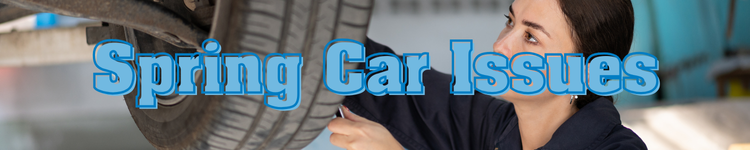
As winter fades away, many drivers assume their cars are in the clear. However, spring brings its own set of challenges for your vehicle. The transition from cold to warmer weather can expose hidden damage from winter driving and create new issues. To keep your car running smoothly, here are some common spring car problems and how to prevent them. 1. Tire Problems: Worn Treads & Pressure Fluctuations Winter driving can wear down your tires, and fluctuating spring temperatures can cause pressure changes. How to Prevent It: ✔ Check tire pressure – Warmer weather can cause overinflation, so adjust accordingly. ✔ Inspect tread depth – Use the penny test (if you can see Lincoln’s head, it’s time for new tires). ✔ Rotate or replace tires – If you used winter tires, switch back to all-season or summer tires for better performance. 2. Battery Issues: Weak or Failing Battery Cold weather drains your battery, and if it's already weak, spring heat can finish it off. How to Prevent It: ✔ Test your battery – Our Express Service offers battery testing! ✔ Look for corrosion – Clean battery terminals to ensure a strong connection. ✔ Replace if necessary – If your battery is 3+ years old, consider a replacement. 3. Pothole Damage: Suspension & Alignment Issues Spring means pothole season, and hitting one too hard can damage your suspension, wheels, or alignment. How to Prevent It: ✔ Drive cautiously – Avoid potholes when safe and slow down if you can’t. ✔ Listen for unusual noises – Clunking sounds or a pulling sensation could mean suspension issues. ✔ Get an alignment check – If your car drifts or your steering wheel vibrates, visit a professional. 4. Wiper Blade Wear & Windshield Visibility Issues Winter ice and snow wear out your wiper blades, leading to streaking or poor visibility in spring showers. How to Prevent It: ✔ Replace wiper blades – If they streak or squeak, swap them out. ✔ Top off wiper fluid – Use a spring-friendly formula to clear pollen and bugs. ✔ Check for windshield cracks – Small chips can expand with temperature changes, so fix them early. 5. Pollen & Allergy Issues: Dirty Cabin Air Filter Spring brings high pollen counts, which can clog your cabin air filter and worsen allergies. How to Prevent It: ✔ Replace your cabin air filter – This improves air quality and HVAC efficiency. ✔ Vacuum and dust the interior – Remove pollen buildup from seats and vents. ✔ Use air conditioning instead of opening windows – This helps filter out allergens. 6. Fluid Leaks: Winter Wear & Tear Cold temperatures can cause seals and hoses to crack, leading to fluid leaks in spring. How to Prevent It: ✔ Check for leaks under your car – Look for oil, coolant, or transmission fluid spots. ✔ Monitor fluid levels – Low levels may indicate a slow leak. ✔ Get a spring maintenance check – A professional can inspect seals and hoses for damage. 7. Overheating Issues: Cooling System Concerns As temperatures rise, your car’s cooling system needs to work harder, especially if it was strained during winter. How to Prevent It: ✔ Check coolant levels – Top off if low and look for leaks. ✔ Inspect radiator hoses – Replace any that are cracked or brittle. ✔ Watch your temperature gauge – If it’s creeping up, seek professional help. Final Thoughts Spring is the perfect time for a car check-up after a harsh winter. By catching these issues early, you can prevent costly repairs and keep your vehicle running smoothly for the warmer months ahead. At Schlossmann Subaru City of Milwaukee, we offer spring maintenance checks, battery tests, tire services, and more to help you prepare for the season. Schedule your service today and drive into spring with confidence!

oil change blog banner

The Importance of Regular Oil Changes and How to Know When It’s Time

Keeping your vehicle in optimal condition requires routine maintenance, and one of the simplest yet most essential tasks is a regular oil change. Engine oil serves as the lifeblood of your car, ensuring that all moving parts operate smoothly, reducing friction, and preventing overheating. Neglecting oil changes can lead to costly repairs and reduced engine performance. Let’s explore why regular oil changes are crucial and how to know when it’s time for one. Why Are Oil Changes Important? Lubrication: The engine consists of numerous moving parts, such as pistons, valves, and the crankshaft. Oil ensures these components glide smoothly, reducing wear and tear. Temperature Regulation: As oil circulates, it absorbs heat from the engine, preventing overheating and ensuring efficient operation. Debris Removal: Over time, dirt, metal particles, and other contaminants can accumulate in the oil. Regular changes prevent this debris from damaging your engine. Prolongs Engine Life: Clean oil keeps your engine running efficiently, reducing the risk of costly breakdowns and extending the life of your vehicle. Signs It’s Time for an Oil Change Dashboard Oil Light: Modern vehicles are equipped with an oil light that alerts you when it’s time for a change. Don’t ignore this warning. Dark or Dirty Oil: Fresh oil has a translucent amber color. Over time, it darkens and becomes murky. Check your oil using the dipstick—if it’s dark, it’s time for a change. Unusual Engine Noise: Insufficient or old oil can cause your engine to become louder, producing knocking or grinding sounds. Burning Oil Smell: A strong smell of burning oil may indicate a leak or that the oil is breaking down under high heat. Decline in Performance: If your vehicle’s acceleration feels sluggish or the fuel efficiency decreases, old oil might be the culprit. How Often Should You Change Your Oil? The frequency of oil changes depends on your vehicle’s make and model, driving habits, and the type of oil used. Traditional advice suggests every 3,000 miles or three months, but many modern vehicles can go 5,000 to 7,500 miles or more. Synthetic oils often allow for even longer intervals. Check your owner’s manual or consult with a trusted mechanic for the best schedule. Choosing the Right Oil Using the right type of oil is crucial. Options include conventional, synthetic, synthetic blend, and high-mileage oil. Factors like your vehicle’s age, driving conditions, and manufacturer recommendations will determine the best choice. At Schlossmann Subaru City of Milwaukee, our expert technicians can help you select the perfect oil for your car. DIY vs. Professional Oil Changes While some drivers prefer to change their own oil, having it done professionally ensures the job is completed correctly. Technicians at Schlossmann Subaru City of Milwaukee not only change your oil but also inspect your vehicle for other potential issues, giving you peace of mind. Schedule Your Oil Change Today Regular oil changes are an investment in the longevity and performance of your vehicle. If you’re due for an oil change or unsure about your vehicle’s needs, the team at Schlossmann Subaru City of Milwaukee is here to help. Schedule an appointment online or visit one of our service centers to keep your car running smoothly. Taking care of your car starts with proper maintenance. Don’t let a simple oil change turn into a costly repair. Stay proactive and drive with confidence!

fog lights blog banner (1)

DIY Guide: How to Clean Foggy Headlights at Home

Foggy headlights can make your car look older and, more importantly, reduce visibility at night, compromising your safety. Instead of replacing your headlights, here’s an easy DIY method to restore their clarity and shine with just a few household items! What You'll Need: Baking soda White vinegar Toothpaste (non-gel, whitening works best) Microfiber cloths Masking tape Spray bottle of water Optional: UV headlight sealant for long-term protection Step-by-Step Instructions: Prepare Your Workspace: Park your car in a shaded area to avoid quick drying. Clean the headlights with soap and water to remove any dirt or debris. Protect the Paint: Use masking tape to cover the area around the headlights. This prevents accidental scratches or damage to the car’s paint. Choose Your Method: Toothpaste: Apply a generous amount of toothpaste to a damp microfiber cloth. Rub it onto the headlight in circular motions for 5-10 minutes. Rinse with water and wipe dry. Baking Soda and Vinegar: Make a paste with 2 tablespoons of baking soda and 1 tablespoon of vinegar. Apply it to the headlight and scrub with a cloth. Rinse and dry. Check Your Progress: If the headlights still look cloudy, repeat the process or move to a fine sandpaper method (available in repair kits). Seal for Protection (Optional): Apply a UV headlight sealant to keep your headlights clear for longer. This step is crucial to prevent future fogging. Pro Tip: If DIY doesn’t fully restore your headlights, professional headlight restoration might be necessary. At Schlossmann Subaru City of Milwaukee, we offer expert services to bring your headlights back to like-new condition. Why Clean Headlights Matter: Improved Visibility: Clear headlights improve your ability to see and be seen at night or in bad weather. Enhanced Appearance: Restored headlights make your car look newer and better maintained. Safety First: Avoid accidents caused by reduced lighting on the road.

subaru dashlights banner for blog

What Subaru Dashboard Lights Mean and When to Seek Service

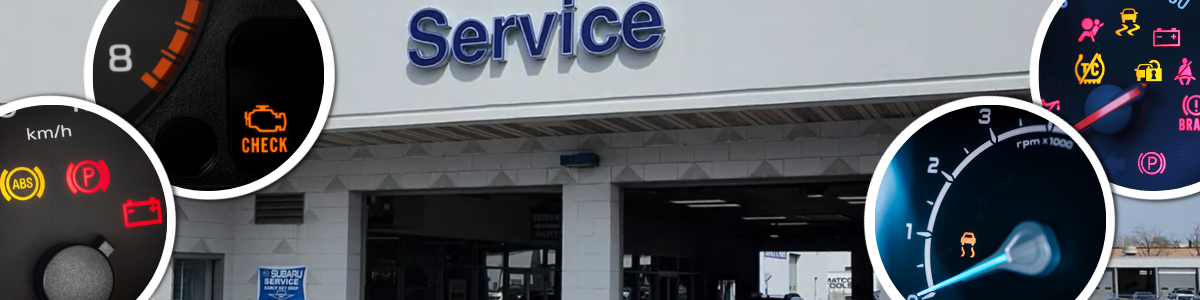
Your Subaru’s dashboard lights serve as vital indicators of your vehicle’s health and performance. Understanding these alerts can help you address issues before they become serious. Here’s a quick guide to some common Subaru dashboard lights and when to seek professional service. Common Subaru Dashboard Lights 1. Check Engine Light Appearance: Yellow or orange engine icon. Meaning: Indicates an engine or emissions issue, from a loose gas cap to a more significant problem. Action: Check the gas cap first. If the light persists or blinks, schedule service immediately. 2. Battery/Charging System Light Appearance: Red battery icon. Meaning: Issues with the battery or alternator. Action: Inspect battery connections. If the light stays on, have your charging system checked to avoid a breakdown. 3. Oil Pressure Warning Light Appearance: Red oil can icon. Meaning: Low oil pressure, possibly from low oil levels or a more serious problem. Action: Stop driving immediately, check the oil level, and call for service if needed. 4. Tire Pressure Monitoring System (TPMS) Light Appearance: Horseshoe with an exclamation mark. Meaning: Low tire pressure. Action: Inflate tires to the recommended PSI. If the light remains, consult a technician. 5. Vehicle Dynamics Control (VDC) Light Appearance: “VDC Off” or a skidding car icon. Meaning: Stability control is deactivated or malfunctioning. Action: If the light doesn’t reset after restarting, have it checked. When to Seek Service Red or Flashing Lights: Require immediate attention to prevent damage or ensure safety. Persistent Yellow Lights: Indicate issues that need to be addressed soon but aren’t urgent. At Schlossmann Subaru City of Milwaukee, our certified technicians are equipped to handle all your dashboard light concerns. Whether it’s routine maintenance or an urgent repair, we’ve got you covered. Schedule Your Subaru Service Today Don’t ignore your dashboard lights—address them promptly to keep your Subaru running smoothly. Book your appointment online or call us for expert care!

Contact Us

Fill out this form below and we'll contact you shortly
*Required Fields