MADACC Pet Adoption at Subaru City

Oct. 22nd 11am-1pm

Blog

All Tips Community Events Milwaukee Subaru Dealer New Inventory Maintenance & Service Subaru City of Milwaukee Service Forester Crosstrek local adventure Solterra Subaru Outback Subaru Ownership Used Inventory Ascent Milwaukee Subaru Service Summer Dear Subaru Campaign Impreza Milwaukee Used Cars Parts Department Winter Driving WRX
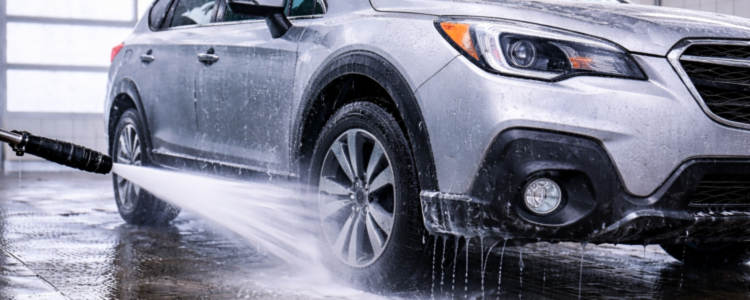
Subaru SUV being washed indoors at a car wash to remove winter road salt and prevent rust buildup.

How to Protect Your Subaru from Salt & Rust in Winter

Winter driving in the Midwest comes with many challenges, and one of the biggest long-term threats to your vehicle isn’t snow or ice—it’s road salt. While salt helps keep roads safer during winter storms, it can gradually damage your vehicle if it isn’t cleaned off regularly. Subaru vehicles are built to handle harsh weather conditions, but even the most reliable vehicle benefits from proper winter care. Taking a few preventative steps can help protect your Subaru from corrosion and keep it looking and performing its best for years to come. Here are some of the most effective ways to protect your Subaru from salt and rust during winter. Wash Your Subaru Regularly During Winter One of the easiest ways to prevent rust is regularly washing your vehicle, especially after snowstorms or long highway drives. Road salt collects on: Wheel wells Undercarriage Suspension components Door edges and seams A thorough wash helps remove salt buildup before it has time to cause corrosion. If possible, choose a car wash that includes undercarriage cleaning, since salt often accumulates underneath the vehicle where it’s harder to see. Don’t Forget the Undercarriage The underside of your vehicle is the most vulnerable area when it comes to rust. Snow and salt can collect on the frame, suspension parts, and exhaust components. Regular underbody rinses help remove corrosive salt deposits and protect the structural parts of your Subaru. Many automatic car washes offer winter underbody sprays, which can be extremely helpful during heavy snow seasons. Apply a Protective Wax Coating A good coat of wax acts as a protective barrier between your vehicle’s paint and winter road salt. Wax helps prevent moisture and salt from sticking to your vehicle’s exterior surfaces. Benefits of waxing before or during winter include: Added protection against corrosion Easier cleaning after snowstorms Better paint preservation Even one wax application during winter can help extend the life of your vehicle’s finish. Clean Door Frames and Seals Salt and slush often build up around door frames, trunk edges, and rubber seals. If these areas stay wet for too long, rust can begin forming in hidden spots. Periodically wiping down these areas can help prevent buildup and protect your Subaru’s body panels. Protect the Interior from Salt Winter boots track snow and road salt into your vehicle, which can damage carpets over time. All-weather floor mats are a great solution because they: Trap moisture and salt Protect interior carpeting Make cleanup quick and easy Keeping the interior dry also helps prevent long-term odors and wear. Inspect Your Vehicle After Winter When winter ends, it’s a good idea to inspect your vehicle for any signs of corrosion or buildup. A spring inspection can help identify: Salt residue under the vehicle Paint chips or scratches that could lead to rust Areas that may benefit from protective treatments Addressing small issues early helps prevent bigger problems later. Subaru Vehicles Are Built for Tough Winters Subaru vehicles are known for durability and winter capability. Features like Symmetrical All-Wheel Drive and strong chassis design help drivers handle snow-covered roads with confidence. However, protecting your vehicle from winter elements is still important for long-term reliability and appearance. Winter road salt is unavoidable in many parts of the country, but the damage it causes doesn’t have to be. Regular washing, underbody cleaning, protective coatings, and interior protection can go a long way toward preventing rust and corrosion. If you’re unsure whether your vehicle has been exposed to heavy salt buildup, contact us and we can help inspect your Subaru and keep it protected throughout the winter season.
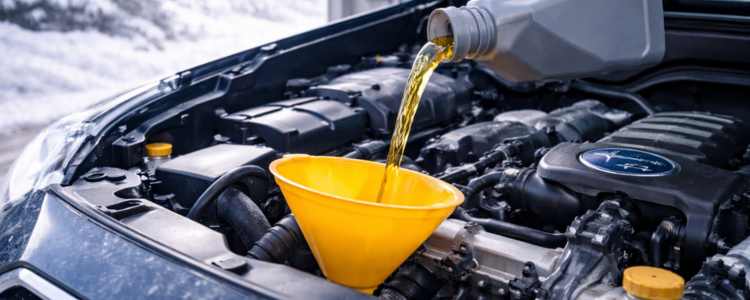
Subaru oil change service being performed to maintain engine performance.

Subaru Oil Change & Maintenance Schedule: What Drivers Should Know

Regular maintenance is one of the biggest reasons Subaru vehicles are known for long-term reliability. Whether you drive an Outback, Forester, Crosstrek, or Ascent, staying on top of oil changes and scheduled service helps protect your engine, maintain performance, and extend the life of your vehicle. If you’re wondering how often your Subaru needs an oil change — or what else should be checked throughout the year — here’s what you should know. How Often Should You Change the Oil in a Subaru? For most newer Subaru models using synthetic oil, the general recommendation is: Every 6,000 miles or 6 months — whichever comes first. However, your driving habits matter. If you frequently drive in: Cold winter conditions Stop-and-go city traffic Short daily trips Heavy snow or extreme temperatures You may benefit from more frequent inspections. Wisconsin drivers, especially during winter months, often put extra strain on engines due to cold starts and icy road conditions. Regular oil changes help protect internal components from wear. Why Oil Changes Matter for Subaru’s BOXER® Engine Subaru’s BOXER® engine design provides a lower center of gravity for improved balance and handling. Because the engine is designed differently than many traditional engines, maintaining proper lubrication is essential for long-term performance. Fresh oil helps: Reduce engine friction Prevent overheating Protect against internal wear Maintain fuel efficiency Skipping oil changes can lead to buildup, reduced efficiency, and potentially costly repairs over time. Beyond Oil: What’s Included in a Subaru Maintenance Schedule? Subaru maintenance isn’t just about oil. Following the recommended service schedule keeps every major system performing properly. Every 6,000 Miles Oil and filter replacement Tire rotation Brake inspection Fluid level checks Every 12,000–30,000 Miles Cabin air filter replacement Engine air filter replacement Brake system inspection Battery check Around 30,000–60,000 Miles Differential fluid inspection (important for AWD models) Transmission fluid inspection Cooling system inspection Subaru’s Symmetrical All-Wheel Drive system depends on properly maintained fluids and balanced tires, so routine inspections are critical. Winter Driving & Maintenance: Why It Matters More in the Midwest Cold temperatures, road salt, and snow can accelerate wear on: Batteries Brakes Suspension components Underbody components After winter, it’s especially important to check: Tire condition and pressure Brake performance Undercarriage for salt buildup Regular washes and seasonal inspections can help prevent corrosion and long-term damage. How to Tell If Your Subaru Needs Service Even between scheduled visits, watch for warning signs: Dashboard warning lights Unusual engine noises Reduced fuel efficiency Vibrations or rough idle If anything feels different, it’s worth having your Subaru inspected. Protecting Your Subaru for the Long Term Subaru vehicles are engineered for durability — but routine maintenance is what keeps them running strong year after year. Staying consistent with oil changes and service intervals helps protect your investment and ensures your AWD system, engine, and safety features continue performing as designed. If you’re unsure when your last oil change was completed, contact us (414)281-9100 — our team is happy to help you check your service history and keep your Subaru running strong.

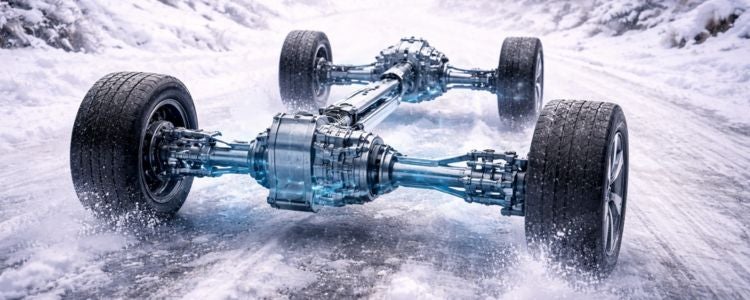
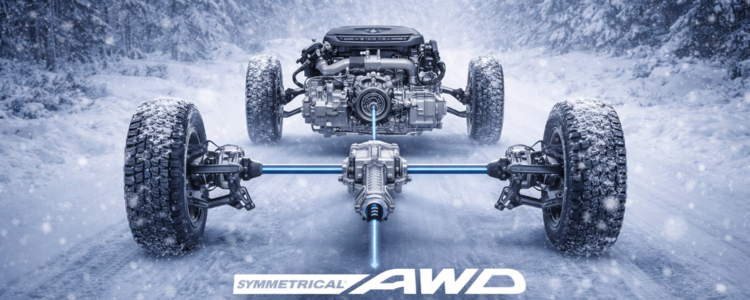
Subaru Symmetrical All-Wheel Drive system designed for winter driving conditions.

When to Service Your Subaru AWD System: Expert Tips

When to Service Your Subaru AWD System: Expert Tips One of the biggest reasons drivers choose Subaru is confidence—especially in snow, rain, and unpredictable Midwest weather. At the heart of that confidence is Subaru Symmetrical All-Wheel Drive (AWD), a system designed to deliver constant traction and balance in all conditions. But like any major vehicle system, AWD requires proper maintenance to perform its best over time. Knowing when to service your Subaru AWD system can help extend your vehicle’s life, protect major components, and keep you driving safely year-round. Here’s what Subaru owners should know. How Subaru Symmetrical AWD Works Unlike some AWD systems that activate only when slip is detected, Subaru’s Symmetrical AWD is designed to deliver power to all four wheels continuously. This balanced system improves stability, traction, and control—especially on snow-covered or slippery roads. Because the system is always working, routine maintenance is critical to keep everything operating smoothly. Key Subaru AWD Components That Need Maintenance While there’s no single “AWD service,” several components work together to make the system function properly: Front and rear differentials Transmission or CVT Driveshaft and axles Wheel bearings and suspension components Each plays an important role in maintaining traction and balance. When Should You Service Your Subaru AWD System? Subaru does not require constant AWD servicing, but there are key intervals and situations when attention is important. 1. Follow Subaru’s Maintenance Schedule Subaru recommends inspecting drivetrain components during regular maintenance visits. Differential fluid service intervals can vary depending on model, mileage, and driving conditions. If you regularly drive in: Snow and ice Stop-and-go city traffic Rough or uneven roads You may need service sooner than someone who drives mostly highway miles. 2. Replace Differential Fluids as Recommended Differential fluid helps lubricate gears and reduce heat and friction. Over time, fluid breaks down—especially in cold climates where AWD works harder. Signs differential fluid service may be needed include: Grinding or whining noises Vibration during turns Reduced traction or unusual handling Servicing fluids on time helps prevent expensive repairs later. 3. Tire Maintenance Is AWD Maintenance One of the most overlooked aspects of Subaru AWD care is tire health. Subaru AWD systems are sensitive to tire size differences. Best practices include: ✔ Rotating tires regularly ✔ Replacing tires as a full set when possible ✔ Keeping tire pressure equal on all four wheels Uneven tires can put unnecessary stress on the AWD system and lead to premature wear. 4. Pay Attention to Warning Signs If you notice changes in how your Subaru drives, it’s best to have it inspected sooner rather than later. Watch for: Dashboard warning lights Burning smells Jerking or hesitation during acceleration Unusual noises when turning Early diagnosis can prevent larger issues. Why AWD Maintenance Matters in Winter States In places like Wisconsin, Subaru AWD works overtime during winter months. Snow-packed roads, slush, ice, and potholes increase strain on drivetrain components. Regular inspections—especially after winter driving season —help ensure everything is still performing as designed. Protect What Makes Subaru Special Subaru Symmetrical AWD is one of the most reliable systems on the road—but it performs best when properly maintained. Staying on top of fluid services, tire care, and routine inspections helps preserve traction, safety, and long-term value. If you’re unsure when your Subaru AWD system was last serviced, it’s worth having it checked. A little preventive care now can save you from costly repairs down the road. Contact our Service Department or Schedule service here online.

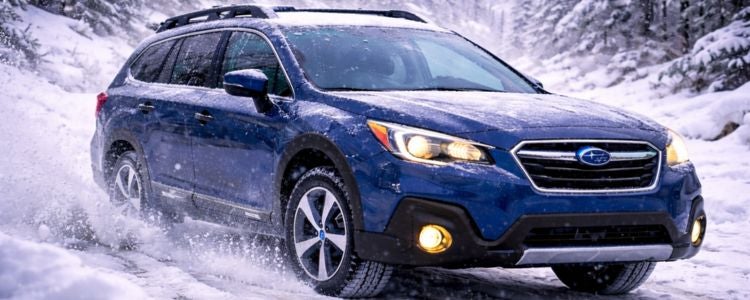
Subaru Outback driving through heavy winter snowfall on a snowy road, showcasing all-wheel drive confidence in harsh conditions.

Why Subaru Vehicles Last So Long: The Engineering Behind Subaru Longevity

If you’ve ever shopped for a used car—or talked to Subaru owners—you’ve probably heard the same thing over and over: Subarus last a long time. It’s not uncommon to see Outbacks, Foresters, Crosstreks, and even older Legacys still driving strong with high mileage and years of Wisconsin winters behind them. So what’s the secret? Subaru longevity isn’t luck. It’s the result of smart engineering, durable design, and a brand built around safety and long-term ownership. Here’s why Subaru vehicles are known for lasting so long—and how you can help yours go the distance. 1. Subaru Symmetrical All-Wheel Drive Helps Reduce Stress on the Vehicle One of Subaru’s biggest advantages is Symmetrical All-Wheel Drive (AWD), which is standard on most models. Unlike some systems that only send power to all four wheels when slip is detected, Subaru AWD is designed for balanced performance and consistent traction. That balance matters in the long run because it can help: Improve stability in snow, rain, and uneven road conditions Reduce sudden wheel spin and harsh traction events Create smoother, more predictable driving behavior In winter-heavy states like Wisconsin, better traction isn’t just convenient—it can help prevent accidents and reduce wear caused by constant slipping and correction. 2. The SUBARU BOXER® Engine Improves Balance and Control Subaru’s BOXER® engine sits lower in the vehicle than many traditional engines. This gives Subaru models a lower center of gravity, which helps improve handling and stability. Why does that matter for longevity? Because stability reduces stress on: Suspension components Tires Braking systems Steering response over time When your vehicle stays more controlled in tough conditions, it’s less likely to take the kind of harsh impacts and sudden corrections that can wear things out faster. 3. Subaru Builds for Real-World Weather (Not Just Perfect Roads) Subaru vehicles are designed for real life: snowstorms, potholes, slush, and temperature swings. That durability is one reason Subaru has a strong reputation in states with harsh winters. Subaru owners often choose the brand specifically because it handles: Icy commutes Snow-packed roads Rough seasonal road conditions Outdoor travel and gear hauling A vehicle designed for tougher environments typically holds up better over time. 4. Strong Safety Engineering Helps Prevent Major Damage Subaru has a long-standing reputation for safety, including available EyeSight® Driver Assist Technology. While safety features are mainly about protecting people, they can also help reduce costly damage over the life of the vehicle. Features like Pre-Collision Braking and Adaptive Cruise Control may help drivers avoid: Rear-end collisions Sudden braking accidents Common traffic impacts Avoiding even one accident can dramatically improve a vehicle’s lifespan and long-term value. 5. Subaru Resale Value and Owner Loyalty Say a Lot One of the strongest signs of longevity is what happens years later. Subaru models tend to keep their value well because buyers trust them long-term—and Subaru owners often buy another Subaru when it’s time to upgrade. Vehicles that are known for lasting tend to: Hold value better Stay in demand as used vehicles Be worth maintaining rather than replacing 6. Maintenance Makes the Biggest Difference (And Subaru Makes It Simple) Even the best-built vehicle needs consistent care. The good news is Subaru maintenance is straightforward, and following a routine schedule can keep your Subaru driving strong for years. Smart habits that help your Subaru last longer include: Staying on top of oil changes Rotating tires regularly (especially important with AWD) Keeping fluids topped off Replacing filters on schedule Checking brakes before winter and after snow season If you drive in winter conditions often, it’s also important to wash your vehicle regularly to remove salt buildup. Subaru Longevity Is Built In Subaru vehicles last because they’re designed for stability, traction, safety, and real-world driving—not just perfect weather. Between Symmetrical AWD, the BOXER® engine, strong safety systems, and a loyal owner base, Subaru has earned its reputation as one of the best long-term vehicles you can own. If you’re shopping for a Subaru or want to keep yours running strong for years to come, staying consistent with maintenance is the best way to protect your investment.

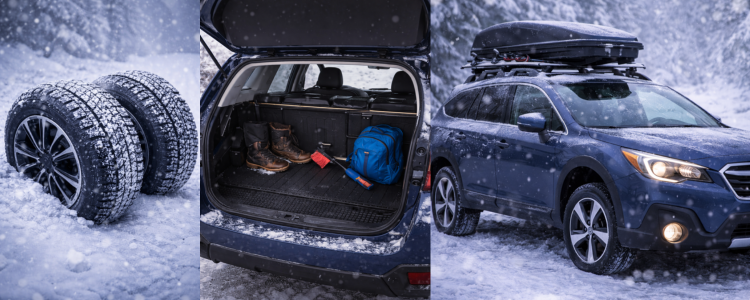
Subaru winter accessories including all-weather floor mats, winter tires, and cargo storage.

Top Winter Accessories Your Subaru Needs This Season

Subaru vehicles are built to handle winter better than most — but the right accessories can make cold-weather driving even safer, cleaner, and more comfortable. With snow, ice, road salt, and freezing temperatures all part of a Wisconsin winter, preparing your Subaru properly can make a huge difference in how it performs and how well it holds up over time. Whether you drive an Outback, Forester, Crosstrek, or Ascent, these winter accessories are must-haves for the season. 1. All-Weather Floor Mats Snow and salt are brutal on vehicle interiors. All-weather floor mats are one of the simplest and smartest winter upgrades you can make. Subaru-designed mats are custom-fit, easy to clean, and protect your carpets from moisture and corrosion. Why they matter in winter: ✔ Trap snow, slush, and salt ✔ Prevent interior wear and staining ✔ Easy rinse-and-go cleanup 2. Winter Tires Subaru’s Symmetrical All-Wheel Drive helps you get moving — but winter tires help you stop and turn. Cold temperatures cause all-season tires to stiffen, while winter tires remain flexible for better grip on ice and packed snow. Benefits of winter tires: ✔ Shorter stopping distances ✔ Better traction on ice and snow ✔ Improved control during winter storms For Wisconsin drivers, winter tires are one of the biggest safety upgrades you can make. 3. Cargo Tray & Rear Seatback Protectors Wet boots, snow-covered gear, and salty equipment can quickly damage your cargo area. A Subaru cargo tray or seatback protector keeps moisture off your interior surfaces. Perfect for: Ski and snowboard gear Winter boots and coats Groceries and sports equipment 4. Remote Start Few things beat stepping into a warm Subaru on a freezing morning. Remote start allows you to warm the cabin, defrost windows, and melt ice before you even open the door. Winter advantages: ✔ Faster windshield clearing ✔ Warmer cabin and seats ✔ Added convenience during extreme cold 5. Roof Rails & Cargo Boxes Winter travel often means bulky gear. Roof rails and cargo boxes give you extra space while keeping the cabin uncluttered and safe. Ideal for: Ski trips Snowboarding gear Winter road trips Subaru-designed cargo solutions are aerodynamic, secure, and built for winter use. 6. Emergency Winter Road Kit Even the best winter vehicle should be prepared for the unexpected. A winter emergency kit is essential for peace of mind. Recommended items include: ✔ Ice scraper and snow brush ✔ Jumper cables or battery booster ✔ Flashlight ✔ Blanket or extra clothing ✔ Tire inflator or sealant 7. Battery & Wiper Blade Check Cold temperatures are tough on batteries and wiper blades. Replacing worn blades and checking battery health before winter can prevent frustrating breakdowns. Protect Your Subaru from Winter Wear Salt and moisture can cause long-term damage. Regular winter washes — especially underbody cleaning — help protect your Subaru from rust and corrosion. Your Subaru is already winter-ready, but the right accessories take it to the next level. From safety upgrades like winter tires to comfort features like remote start, these accessories help you stay confident, comfortable, and protected all season long. If you’re not sure which accessories are right for your Subaru, our team is happy to help. Parts Department Parts Specials Tire Center

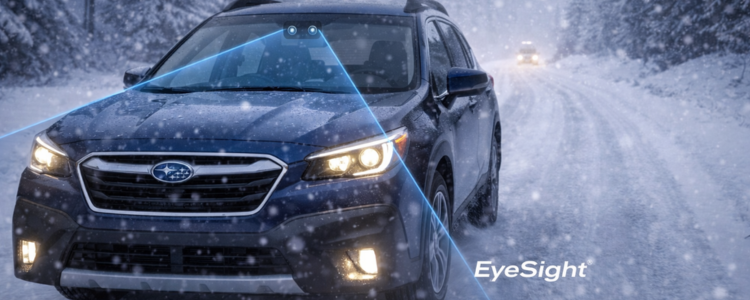
Subaru EyeSight® safety system driving in winter snow conditions.

Subaru EyeSight® in Winter: How It Performs in Harsh Conditions

Winter is one of the most dangerous driving seasons of the year. Snow, ice, early darkness, and unpredictable storms can quickly create stressful conditions. That’s why Subaru offers EyeSight® Driver Assist Technology, a system designed to help keep drivers safer and more aware when hazards appear. But many Subaru shoppers ask an important question: How does EyeSight® perform in winter weather? How EyeSight® Works EyeSight® uses dual forward-facing cameras near the rearview mirror to monitor the road. It can detect vehicles, lane markings, and movement ahead to provide driver support and safety alerts. In winter, those cameras are still working—but like your own eyes, they rely on visibility through the windshield. Winter Features That Help Most EyeSight® can support winter driving in several key ways: ✅ Adaptive Cruise Control Maintains distance even when vehicles slow suddenly on slick roads. ✅ Pre-Collision Braking Can help reduce impact or stop the vehicle if a collision is likely. ✅ Lane Departure Warning & Lane Keep Assist Helps you stay centered when visibility is reduced. ✅ Lead Vehicle Start Alert Helpful in snowy traffic when stop-and-go driving is common. What EyeSight® Can’t Do EyeSight® isn’t meant to replace driver attention. During extreme weather—heavy snow, ice-covered windshields, or fog so thick the cameras can’t see—the system may temporarily disable itself and notify the driver. That’s normal and designed for safety. How to Keep EyeSight® Working Well in Winter To ensure EyeSight® performs at its best: Keep the windshield clear and defrosted Replace wiper blades as needed Avoid windshield stickers near camera zones Clear snow and ice before driving The Bottom Line EyeSight® adds powerful protection during winter driving, especially during heavy traffic, slippery braking, and reduced visibility. Combined with Subaru’s AWD and stability engineering, it’s one more reason Subaru vehicles are trusted in harsh Midwest winters.

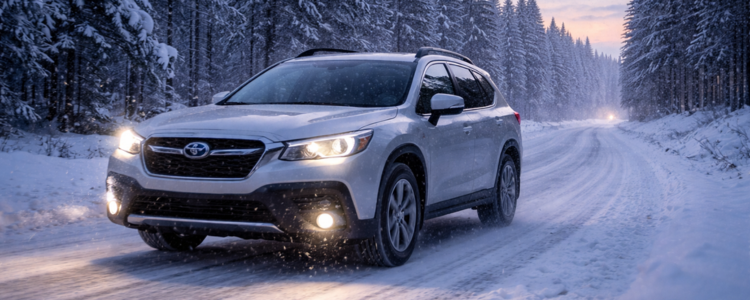
Subaru Symmetrical AWD system providing traction on snow and ice.

How Subaru Symmetrical AWD Helps You Stay in Control on Snow & Ice

When winter roads become slippery, your tires can lose traction fast—especially on icy intersections, slushy highways, and snow-covered side streets. Subaru is known for one major reason: confidence in tough weather. A big part of that reputation comes from Subaru Symmetrical All-Wheel Drive (AWD). Unlike many systems that activate only when slip is detected, Subaru’s AWD is built to keep power balanced and traction steady all the time. Here’s what that means for drivers in harsh winter climates. What Makes Subaru Symmetrical AWD Different? Most AWD systems are “part-time”—they run primarily in two-wheel drive and send power to other wheels only when traction is lost. Subaru Symmetrical AWD is different because it is designed to distribute power more evenly and consistently. It’s called “symmetrical” because the drivetrain is laid out in a balanced way from left to right. That balance helps create stability and predictability—two things drivers need most when roads are slick. More Traction, Less Wheel Spin In snow or ice, the goal is to prevent wheel spin before it happens. Subaru AWD helps by: Sending power to all wheels for better grip Automatically adjusting distribution to reduce slipping Working seamlessly with traction control This is especially valuable when pulling away from a stop on icy roads or climbing snowy hills. Better Balance in Winter Turns Winter driving isn’t only about moving forward—it’s also about control when braking or turning. Subaru’s low center of gravity from the BOXER® engine keeps the vehicle more stable and reduces body roll. That means better: Cornering control Reduced sliding on turns Confidence when roads are uneven or snow-packed AWD + X-MODE® = Next-Level Winter Confidence Many Subaru models also include X-MODE®, a feature designed for slippery and uneven conditions. X-MODE optimizes the engine, transmission, and braking system to maintain traction—especially on steep hills or deep snow. It can help with: Deep snow Mud and slush Icy inclines Off-road winter trails Why Subaru AWD Matters in Wisconsin In Wisconsin, winter conditions can change mile to mile. That’s why having AWD that’s always ready makes a huge difference. Subaru Symmetrical AWD doesn’t wait for traction loss—it helps prevent it. Bottom line: Subaru AWD gives you stable handling, better control, and more confidence in snow, ice, and slush—exactly what Midwest drivers need.

Best Subaru Models for Wisconsin Winter Driving

Best Subaru Models for Wisconsin Winter Driving (2026 Guide)

Wisconsin winters are no joke. Between lake-effect snow, icy intersections, below-freezing temperatures, and unpredictable storms, winter driving demands more than just experience—it requires a vehicle designed for real traction and stability. That’s why Subaru remains one of the most trusted brands for Midwest winter drivers. From the standard Symmetrical All-Wheel Drive that delivers constant traction, to available X-MODE® for extra grip on slick terrain, Subaru vehicles are engineered to handle Wisconsin’s toughest roads. Add in advanced safety features like EyeSight® Driver Assist Technology, and it’s easy to see why Subaru is a winter favorite. If you're shopping for a vehicle that can confidently handle snow season, here are the best Subaru models for Wisconsin winter driving in 2026. 1. Subaru Outback – The Ultimate Winter Road Warrior The Subaru Outback is one of the top choices for Wisconsin drivers who want capability, comfort, and reliability in all seasons. With SUV-level ground clearance and Subaru’s legendary AWD system, the Outback handles deep snow and slushy highways with ease. Why it stands out in winter: Standard Symmetrical AWD for steady traction Available Dual-Function X-MODE® for deep snow and slippery conditions Strong visibility and confident handling on highways Great cargo space for winter gear and road trips If you’re navigating long commutes, rural roads, or frequent weekend travel, the Outback is hard to beat. 2. Subaru Forester – A Snow-Ready SUV for Everyday Life The Subaru Forester is ideal for Wisconsin drivers who want a true SUV feel with outstanding winter capability. The Forester’s high seating position gives you better visibility during snowfall, while the AWD system keeps you steady on slick streets. Winter advantages include: Standard AWD on every trim Available X-MODE® for improved control on snow and ice Spacious cabin for family and car seats Excellent safety ratings and stability Whether you’re commuting through Milwaukee or driving up north to cabin country, the Forester is dependable and practical. 3. Subaru Crosstrek – Compact, Capable, and City-Friendly If you want winter confidence without a larger SUV, the Subaru Crosstrek is a perfect fit. With generous ground clearance and standard AWD, Crosstrek drivers get impressive traction while staying fuel-efficient and easy to maneuver. Why Crosstrek shines in winter: Standard AWD with responsive traction Great balance of efficiency and capability Easy to drive in snow-covered parking lots and tighter city streets Great for first-time Subaru owners or smaller families The Crosstrek is especially popular for drivers who want winter safety without upgrading to a larger vehicle. 4. Subaru Ascent – The Family Winter SUV For drivers who need three-row seating and true snow capability, the Subaru Ascent is the answer. It’s designed for families, comfort, and long-distance winter travel, all while providing Subaru’s signature traction and stability. Ascent winter highlights: Standard Symmetrical AWD for confident control Room for up to 8 passengers Available heated seating throughout the cabin EyeSight® safety tech ideal for snowy highways and low visibility If you’re hauling kids, gear, and winter essentials while keeping everyone safe, the Ascent delivers serious peace of mind. Why Subaru Is One of the Best Brands for Wisconsin Winters Subaru vehicles are built differently than many competitors. The SUBARU BOXER® engine creates a lower center of gravity, improving balance and stability. Combined with Symmetrical AWD and available X-MODE®, Subaru vehicles stay grounded and responsive even in messy winter conditions. And Subaru’s EyeSight® Driver Assist Technology adds another layer of protection when roads are slick and reaction time matters most. Which Subaru Is Best for You? The best Subaru for Wisconsin winter driving depends on your lifestyle: ✅ Outback: best for road trips, versatility, and winter comfort ✅ Forester: perfect for families and daily winter commuting ✅ Crosstrek: great for city driving and smaller SUVs with big traction ✅ Ascent: ideal for large families and long winter travel No matter which Subaru you choose, you’ll be driving one of the most winter-capable lineups on the road.

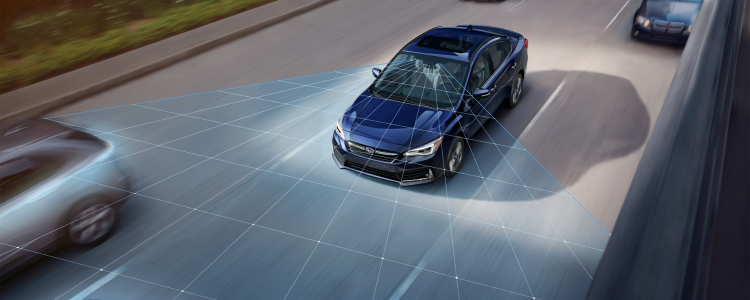
Subaru vehicle on the highway with EyeSight® driver-assist safety system visualized, showing forward-facing cameras monitoring traffic and lane positioning

How Subaru EyeSight® Handles Low-Visibility Conditions

Driving in low-visibility conditions—whether caused by heavy snow, dense fog, pouring rain, or early winter sunsets—can be stressful and dangerous. Subaru EyeSight®, one of the most advanced driver-assist technologies on the market, is engineered specifically to help drivers stay safer when visibility drops. Using a pair of high-resolution, forward-facing cameras mounted near the rearview mirror, EyeSight® continuously monitors the road ahead, identifying vehicles, lane markings, pedestrians, and potential hazards. But how does this system perform when the environment becomes difficult for even the human eye? Let’s break down how EyeSight® handles low-visibility conditions and what drivers should know when the weather takes a turn. EyeSight® in Snow & Ice: Designed for Winter Environments Subaru is built for harsh winter climates, and EyeSight® is no exception. During snowy conditions, the system relies on its stereo cameras to detect vehicles and lane positions even when the road is partially covered. How EyeSight® Helps in Snow: Adaptive Cruise Control adjusts following distance even when visibility shrinks. Pre-Collision Braking can activate if the system detects a stopped or slowing vehicle through snow flurries. Lane Keep Assist works as long as lane markings are partially visible. EyeSight® cannot see through snow, but its cameras are designed to function in typical winter driving conditions and react faster than human reflexes in slippery situations. EyeSight® in Fog & Mist: Precision Camera Technology at Work Fog is one of the most challenging situations for any driver-assist technology, yet EyeSight® remains incredibly effective within its operating range. Visibility Support in Fog Includes: Tracking the contrast between vehicles ahead Detecting brake lights sooner than the driver Maintaining safe distance automatically If fog becomes severe enough that EyeSight® visibility is obstructed, the system will temporarily disable itself and alert the driver—an intentional safety feature. Once visibility improves, EyeSight® automatically reactivates. EyeSight® in Heavy Rain: Smart Monitoring for Wet Conditions During heavy rain, EyeSight® continues monitoring the road using its dual-camera setup. Rain droplets on the windshield do not directly affect the cameras thanks to their placement high behind the glass. How EyeSight® Helps in Rain: Reduces speed if traffic ahead slows abruptly Helps prevent hydroplane-related collisions Alerts the driver if they drift out of their lane However, if the windshield becomes heavily obscured by water, ice, or debris, Subaru recommends keeping the area in front of the cameras clean to maintain full performance. EyeSight® at Night: Advanced Low-Light Detection Low-light situations are some of the most dangerous for drivers—especially during winter when sunset comes early. EyeSight® uses contrast-based vision and advanced software to identify objects and headlights even in very dark conditions. Nighttime Benefits Include: Detecting taillights of vehicles ahead Providing early warning for hazards not yet visible to the driver Supporting Lane Keep Assist even when the road is dimly lit When road lines or reflectors are faint, EyeSight® adjusts its sensitivity to maintain tracking as long as enough visual contrast is present. Best Practices for Using EyeSight® in Low-Visibility Conditions To get the best performance from EyeSight® during bad weather, Subaru recommends: ✔ Keeping the windshield clear and defrosted ✔ Ensuring wiper blades are in good condition ✔ Avoiding aftermarket windshield tint in the camera area ✔ Clearing snow/ice from the camera housing area before driving EyeSight® is not meant to replace attentive driving—it's designed to enhance your awareness, react faster, and provide support when human visibility is limited. Confidence When the Weather Isn’t on Your Side Low-visibility driving conditions challenge even the most experienced drivers. Subaru EyeSight® is engineered to act as an extra set of eyes, working tirelessly to identify hazards, maintain safe distance, and help prevent accidents. From foggy mornings to snowy night drives, EyeSight® provides the confidence Subaru owners count on—especially here in the Midwest. If you'd like a version of this blog customized for your dealership page, Subaru model lineup, or Wisconsin driving conditions, I can adjust the content anytime.

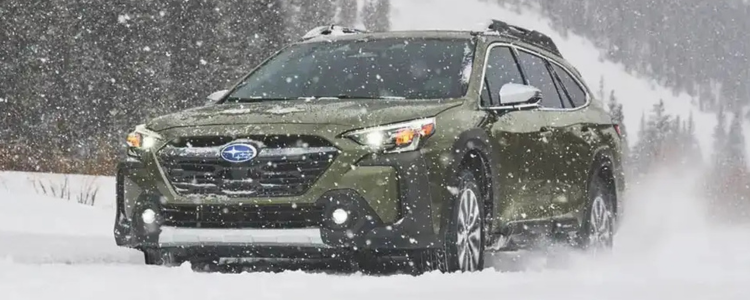
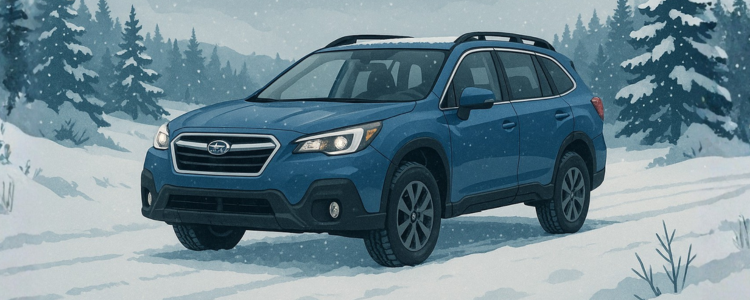
Subaru Outback drives through the snow

Best Subaru Vehicles for Harsh Winters (2025 Guide)

When winter arrives in the Midwest, Wisconsin drivers know that not all vehicles are built equally. Heavy snow, icy streets, and unpredictable winter storms demand a vehicle designed with real capability — not just marketing buzzwords. That’s why Subaru continues to be one of the most trusted brands for drivers who face harsh winter conditions year after year. Every Subaru SUV and crossover comes standard with Symmetrical All-Wheel Drive, Subaru’s balanced BOXER® engine, and available X-MODE®, giving drivers reliable traction, quick response, and confident handling when road conditions are at their worst. Below, we break down the best Subaru models for winter driving and what sets them apart. 1. Subaru Outback – The Ultimate Winter Adventure Wagon The Subaru Outback remains a top choice for drivers battling snow, slush, and freezing temperatures. With up to 8.7 inches of ground clearance (and 9.5 inches on Wilderness models), the Outback effortlessly pushes through deep snow where traditional SUVs struggle. Why it excels in winter: Standard Symmetrical AWD for max traction Available dual-function X-MODE® for snow, deep snow, and mud EyeSight® Driver Assist for increased safety in low-visibility driving Heated seats, heated steering wheel, and excellent visibility For long drives, winter road trips, or navigating icy rural routes, the Outback is one of the most versatile and confidence-inspiring vehicles Subaru offers. 2. Subaru Forester – Built for Snowy Commutes and Winter Trails The Forester’s tall ride height, spacious cabin, and rugged capability make it a fan favorite among winter drivers. Like the Outback, it includes Symmetrical AWD, X-MODE®, and outstanding fuel efficiency — even in cold weather. Forester winter highlights: Standard AWD across all trims Forester Wilderness offers 9.2 inches of ground clearance Large windows and high seating position improve visibility in snowstorms Excellent IIHS safety ratings, ideal for winter highway travel If you want a compact SUV that handles winter like a full-size truck, Forester is the perfect sweet spot. 3. Subaru Crosstrek – Compact, Capable, and Snow-Ready Don’t let the Crosstrek’s size fool you — this small SUV is one of the most capable winter vehicles in its class. Thanks to its lightweight design and high ground clearance, the Crosstrek often outperforms larger SUVs on icy hills and snowy backroads. What makes the Crosstrek great for winter: Standard Symmetrical AWD Up to 8.7 inches of ground clearance Available X-MODE® for slippery terrain Fuel-efficient even in cold temperatures The Crosstrek is an excellent choice for daily commuters, first-time Subaru owners, and anyone who wants a budget-friendly vehicle that dominates winter. 4. Subaru Ascent – The Winter Family SUV If you need three rows plus exceptional winter capability, the Subaru Ascent is the model to beat. Designed for families, the Ascent offers outstanding traction, interior comfort, and towing ability — even in the harshest conditions. Ascent winter advantages: Standard Symmetrical AWD with enhanced stability Up to 5,000 lbs towing (great for winter gear trailers) Heated seats in all rows on select trims EyeSight® and DriverFocus® safety systems for poor visibility Whether you're navigating snowy highways or hauling your family to school on icy mornings, the Ascent provides the confidence families need in winter. Why Subaru Leads in Winter Performance Across the entire lineup, Subaru vehicles share engineering features that make them uniquely winter-ready: ✔ Symmetrical AWD sends power to all wheels continuously ✔ Balanced weight distribution enhances traction ✔ X-MODE® optimizes control on snow, ice, and slippery surfaces ✔ High ground clearance keeps the vehicle moving in deep snow ✔ Subaru Eyesight® adds extra safety in unpredictable winter conditions When snow season hits hard, Subaru drivers stay moving.

Essential Winter Prep for Subaru Owners in Milwaukee

Essential Winter Prep for Subaru Owners in Milwaukee

How to Prepare Your Subaru Before the First Snowstorm Hits Milwaukee winters arrive fast — one week you’re driving comfortably down I-94, and the next you’re scraping ice at 6am wondering when the roads turned into a skating rink. Subaru owners know their vehicles are built for winter, but proper preparation is the key to safe, confident driving all season long. This guide covers the core pre-winter steps every Subaru owner should take to make sure their vehicle is ready for whatever Wisconsin weather throws at it. ❄️ 1. Upgrade Your Tires for Real Winter Traction Subaru winter tires Milwaukee, winter driving Subaru All-wheel drive is amazing, but traction starts with the tires themselves. Milwaukee’s lake-effect snow and icy mornings demand grip. What to do now: Consider installing winter tires for better traction Maintain a tread depth of 6/32" or more Check tire pressure weekly (cold lowers PSI quickly) Pro Tip: AWD gets you moving — winter tires help you stop. You need both. 🔋 2. Test Your Battery Before Temperatures Drop Subaru winter maintenance Milwaukee Nothing derails a morning like a weak battery in freezing temperatures. Milwaukee’s cold puts extra strain on older batteries. Before winter hits: Get a battery load test Replace your battery if it’s 3–5 years old Clean corrosion on terminals A strong battery prevents those dreaded “click… click… nothing” moments on sub-zero mornings. 🧊 3. Check & Top Off Your Subaru’s Fluids Your Subaru works harder during winter, so the right fluids make a major difference. Coolant/Antifreeze: Protects your engine in deep freezes Oil: Some Subaru engines benefit from specific viscosities in cold weather Windshield washer fluid: Use a winter blend to avoid frozen spray nozzles Make fluid checks part of your early-winter routine. 👀 4. Improve Winter Visibility Milwaukee roads stay coated in slush and salt for months, making visibility a safety priority. Winter visibility checklist: Install winter wiper blades Replace your rear wiper (Outback, Forester, Crosstrek) Test front & rear defrosters Seeing clearly is one of the easiest ways to prevent winter accidents. 🌨️ Get Winter-Ready at Schlossmann Subaru City of Milwaukee With these essential steps, your Subaru will be ready for the challenges of Wisconsin winter driving. If you want professional help: Schedule your Subaru Winter Prep Appointment today and stay ahead of the first big storm. Stay tuned for Blog #2: Winter Driving & On-the-Road Safety Tips for Subaru Owners in Milwaukee.

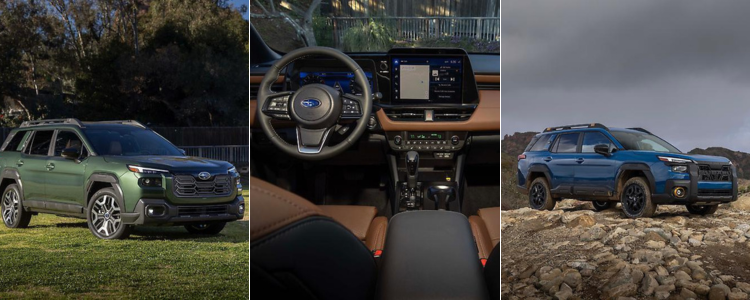
The All-New 2026 Subaru Outback_ Ready for Adventure, Refined for Every Drive

The All-New 2026 Subaru Outback: Ready for Adventure, Refined for Every Drive

The Subaru Outback has long been a favorite among drivers who want the perfect blend of rugged adventure and everyday practicality. Now, with the arrival of the all-new 2026 Subaru Outback, Subaru takes this iconic model to new heights. Featuring bold new styling, advanced technology, and trims to fit every lifestyle, the 2026 Outback is ready to make its mark. And the best part? The 2026 Subaru Outback is available to order now. Fresh Design, Smarter Technology Debuting to a standing ovation at the 2024 National Business Conference, the 2026 Outback delivers the most dramatic design change in its history. From the outside, you’ll notice a more modern and athletic stance, while inside, upgraded comfort and cutting-edge technology take center stage. Features like a 12.3-inch digital gauge cluster, wide-angle EyeSight® driver assist system, and an upgraded multimedia system make every trip more enjoyable and safe. Trim Highlights & Pricing Outback Premium – Starting at $34,995 Packed with value, the Premium trim adds features like keyless access, blind spot detection, and a 12.1-inch multimedia system. Drivers can also opt for Option Package 13, which includes a wireless charger, moonroof, navigation, and more. Outback Limited – Starting at $41,715 The Limited balances luxury and practicality with leather-trimmed seats, Harman Kardon audio, heated rear seats, and advanced driver comfort features. Outback Wilderness – Starting at $44,995 Built for adventure, the Wilderness trim boasts the all-new electronically controlled damper system, heavy-duty roof rack (with a first-ever 220 lbs lateral static load capacity), and rugged design details. Two option packages add premium upgrades like a surround-view monitor and Nappa leather seating. Outback Limited XT – Starting at $44,365 With a turbocharged 2.4-liter SUBARU BOXER® engine, bold 19-inch wheels, and a surround-view monitor, the Limited XT is performance-driven with refined touches. Outback Touring – Starting at $45,395 Premium Nappa leather, the smart rearview mirror with HomeLink®, and the latest EyeSight® safety technology make this one of the most luxurious Outbacks ever. Outback Touring XT – Starting at $47,995 The pinnacle of the lineup, Touring XT blends power, sophistication, and innovation with a turbocharged engine, Nappa leather interior, machined alloy wheels, and top-tier safety and technology. Order Yours Today The 2026 Subaru Outback is more than just a refresh—it’s a revolution in comfort, safety, and adventure-ready performance. 📍 Visit Schlossmann Subaru City of Milwaukee today to be one of the first to get behind the wheel of the all-new Outback.

Contact Us

Fill out this form below and we'll contact you shortly
*Required Fields